
Scheme 1.
Oxidation of ethers to esters

α-Oxygenation of Benzylic Ethers to Esters Using MnOx-N@C Catalyst
Jing Liu , Cong Wan , Aili Zheng , Lianyue Wang , Kaiyue Yin , Dandan Liu , Shengde Wang , Lanhui Ren , Shuang Gao


As one of the most useful and fundamental processes in organic chemistry, selective oxidation of the benzylic Csp3—H bonds has attracted intensive attention owing to the straightforward access to highly synthetically valued functional groups from cheap, readily available precursors with advantages in one-step reaction and high atomic economy. Besides, the oxidized products such as ketones, aldehydes and esters have wide applications in the preparation of medicinal compound, agricultural chemical, dye and solvent.[1] Traditionally, stoichiometric amount of hazardous oxidant such as potassium permangante was employed in these oxidation processes under harsh reaction conditions, and large doses of unwanted by-products were produced.[2] To this day, many efficient catalytic methods for the selective oxidation of the benzylic Csp3—H bonds were developed using transition-metal catalysts[3~12] or non-metal catalysts.[13] But there are many shortcomings in these catalyst systems, mainly includes: (1) these methods were mainly focused on the oxidation of alkylbenzene compounds, diphenylmethane compounds, fluorene compounds, xanthene compounds, and the oxidation products were ketones, aldehydes and carboxylic acids. No systematic research on the oxidation of benzylic ethers to benzoic esters has been reported, and very few functional groups (only H and OCH3) are studied. The substrates containing electron-withdrawing groups on the aromatic ring were unreactive in some methods; (2) large amounts of toxic pyridine are crucial in many catalyst systems, and organic solvents are essential.
Functional groups have a great influence on the oxidation reaction, so systematic study on the oxidation of benzylic ethers containing different functional groups to benzoic esters is of great significance. In 2012, Lu and coworkers developed a catalytic system for the direct oxidation of ethers to esters using dirhodium(Ⅱ) complexes of 2-(sulfonylimino)pyrrolidine as catalysts and tert-butyl hydroperoxide (TBHP) as oxidant (Scheme 1). Unfortunately, the dirhodium(Ⅱ) catalysts were not only expensive but also difficult to recovered and reused.[14] In 2014, a catalytic system for the oxidation of ethers to esters was disclosed by Xiao and coworkers with iron() complexes of pybisulidine as catalyst and oxygen as oxidant (Scheme 1), difficult recycle of catalyst and lower yield were problems.[15] In 2015, Li and coworkers reported a catalyst system consisting of 2, 2, 6, 6-tetramethylpiperidine-1-oxyl (TEMPO) derived sulfonic salt catalyst and mineral acids (NaNO2 and HCl) for the oxidation of ethers to esters (Scheme 1). The use of organic solvent (MeCN) is not consistent with the requirements of green chemistry.[16] In 2017, Cong and coworkers developed efficient aerobic photooxidation of benzyl ethers to benzoates with the aid of eosin Y-sensitized titanium dioxide (Scheme 1).[17]
Manganese-catalysts have been widely used in the study of many reactions such as epoxidation of olefins, [18] oxidation of alcohols, [19] selective catalytic reduction (SCR) reaction[20] and dehydration reaction of aldoximes.[21] Herein, we report a heterogeneous catalytic system for the oxidation of benzylic Csp3—H bonds of ethers to esters using reusable MnOx-N@C material as catalyst and TBHP as oxidant under solvent-free condition and lower reaction temperature (Scheme 1). Notably, this MnOx-N@C-cata- lyst is economical and environmentally friendly with such features as minor dosage, good applicability, high selectivity and reusability.
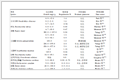
The MnOx-N@C catalysts were prepared by complexs from Mn(NO3)2 and 1, 10-phenanthroline, and subsequent pyrolysis at high temperature (400~900 ℃) for 2 h in nitrogen atmosphere (Scheme 2). Then, the catalytic activities of MnOx-N@C catalysts were studied using the oxidation of benzyl methyl ether to methyl benzoate (1B) as model reaction. The MnOx-N@C catalyst (pyrolysis at 500℃) showed the highest catalytic activity (Table 1, Entries 1~6). It might be due to the different size of MnOx particles. Initially structural characterization of the MnOx-N@C catalyst (pyrolysis at 500 ℃) was carried out using transmission electron microscope (TEM), X-ray photoelectron spectroscopy (XPS) and X-ray diffraction (XRD). TEM image revealed that the sizes of MnOx particles were about 2.05~5.04 nm (Figures 1a, 1b). In the N1s XPS spectrum, three nitrogen peaks were observed at 398.3, 399.7 and 400.8 eV, which originated respectively from N in C—N bonds, the N in C=N bonds and pyrrole-type nitrogen which are often found after the carbonization of nitrogen-containing organic materials (Figure 2b).[22] In addition, Mn2+, Mn3+ and Mn4+ were detected according to the corresponding binding energies at 640.8, 641.0 and 642.0 eV respectively (Figure 2c).[23] The phase composition was characterized by XRD. As can be seen in Figure 2d, the diffraction peaks at 35.0°, 40.7° and 58.8° were indexed to MnO. These results illustrated that both MnO2 and Mn2O3 are in amorphous or poorly crystalline state.

 下载:
导出CSV
 | ||||
| Entry | Pyrolysis, dosage | Oxidant | T/℃ | Yielda/% |
| 1 | 400 ℃, 50 mg | TBHP, 3 equiv. | 60 | 71 |
| 2 | 500 ℃, 50 mg | TBHP, 3 equiv. | 60 | 83 |
| 3 | 600 ℃, 50 mg | TBHP, 3 equiv. | 60 | 53 |
| 4 | 700 ℃, 50 mg | TBHP, 3 equiv. | 60 | 52 |
| 5 | 800 ℃, 50 mg | TBHP, 3 equiv. | 60 | 82 |
| 6 | 900 ℃, 50 mg | TBHP, 3 equiv. | 60 | 75 |
| 7 | — | TBHP, 3 equiv. | 60 | Trace |
| 8 | 500 ℃, 50 mg | H2O2, 3 equiv. | 60 | nr |
| 9 | 500 ℃, 50 mg | O2, 303 kPa | 60 | 27 |
| 10 | 500 ℃, 30 mg | TBHP, 3 equiv. | 60 | 81 |
| 11 | 500 ℃, 20 mg | TBHP, 3 equiv. | 60 | 82 |
| 12 | 500 ℃, 10 mg | TBHP, 3 equiv. | 60 | 81 |
| 13 | 500 ℃, 5 mg | TBHP, 3 equiv. | 60 | 81 |
| 14 | 500 ℃, 3 mg | TBHP, 3 equiv. | 60 | 75 |
| 15 | 500 ℃, 1 mg | TBHP, 3 equiv. | 60 | 72 |
| 16 | 500 ℃, 5 mg | TBHP, 2 equiv. | 60 | 81 |
| 17 | 500 ℃, 5 mg | TBHP, 1 equiv. | 60 | 36 |
| 18 | 500 ℃, 5 mg | TBHP, 2 equiv. | 50 | 72 |
| 19 | 500 ℃, 5 mg | TBHP, 2 equiv. | 40 | 70 |
| 20b | 500 ℃, 5 mg | TBHP, 2 equiv. | 60 | 59 |
| 21c | 500 ℃, 5 mg | TBHP, 2 equiv. | 60 | 65 |
| a GC yield with biphenyl as the internal standard. b Reaction time: 16 h. c Reaction time: 12 h. | ||||
Then, the reaction conditions were studied. Trace amount of methyl benzoate (1B) was detected in the absence of catalyst (Table 1, Entry 7). Nextly, the effects of oxidant species were investigated, and no methyl benzoate (1B) was detected in presence of H2O2 (Table 1, Entry 8). When O2 was used as oxidant, methyl benzoate (1B) was obtained in 27% yield (Table 1, Entry 9). Then, different amounts of MnOx-N@C catalysts (pyrolysis at 500 ℃) were studied, and 81% methyl benzoate (1B) was obtained when the amount of MnOx-N@C catalyst (pyrolysis at 500 oC) was 5 mg (Table 1, Entries 10~15). It may be that methyl benzoate (1B) adsorbs on the MnOx-N@C catalyst resulting in the similar yield. The content of Mn in the MnOx-N-@C catalyst (pyrolysis at 500 ℃) was studied via ICP experiment. The Mn content of MnOx-N@C (pyrolysis at 500 ℃) was 23. 6% and the molar fraction of Mn was only 2 mol% in this catalyst system. The dosage of TBHP, reaction temperature and reaction time were also studied (Table 1, Entries 16~21), and the best result was obtained in 81% yield when the dosage of TBHP, reaction temperature and reaction time were 2 equiv., 60 ℃ and 24 h, respectively.
With the optimized reaction conditions in hand, the scope of substrates was investigated. As shown in Scheme 3, a variety of substituted ester compounds were subjected to our oxidation protocol, and good to excellent yields of the corresponding esters were obtained. Initially, a variety of benzyl methyl ethers with para, meta, ortho or multi functional groups were examined, and the results demonstrated that methyl ethers were viable for the reaction. Para-substituented substrates gave higher yields than ortho-substituented substrates (Table 2, 2B~5B, 9B, 10B, 12B, 13B). It might be due to the steric hindrance of ortho-substituent group. The substrates bearing electron-donating substituents provided higher yields than those containing electron-withdrawing substituents on the benzene ring (Table 2, 4B~7B, 10B, 13B, 15B, 17B, 19B). Para-halo substitute groups were benefit to this oxidation reaction (Table 2, 4B~7B, 10B, 13B, 15B, 17B, 19B). The substrates which contain two chemically different benzylic positions were tested, and the products were obtained without by-products in good yields (Table 2, 4B, 6B, 13B, 15B, 24B, 25B). The MnOx-N@C catalyst (pyrolysis at 500 ℃) showed good chemoselectivity. 2-(Methoxymethyl)phenol was also tolerated in this protocol, and the methyl 2-hydroxybenzoate was obtained in 43% yield owing to the oxidation of phenol forming quinine (Table 2, 11B). 1-(Methoxymethyl)naphthalene and 9-(methoxymethyl)anthracene were also tolerated in this oxidation reaction, furnishing the desired products in good yields (Table 2, 20B, 21B). Benzyl ethyl ethers and benzyl ether were oxidized smoothly by this protocol, for example, benzyl ethyl ether, 1-chloro-4-(ethoxymethyl)- benzene and benzyl ether underwent this protocol affording ester products in 83%, 82% and 71% yields, respectively (Table 2, 22B, 23B, 24B). We studied the direct oxidation of isochromanone which was important structure found in a number of natural products and bioactive molecules under this oxidation reaction conditions affording the ester product in moderate yield (Table 2, 25B).
The synthetic utility of our catalyst system was demonstrated. A 1-g scale reaction was performed with benzyl methyl ether as the test substrate forming methyl benzoate (1B) in 81% isolated yield within 48 h (Scheme 3). This result suggested that MnOx-N@C catalyst (pyrolysis at 500 ℃) is a highly active catalyst for the preparation of methyl benzoate.
Six consecutive oxidation experiments of benzyl methyl ether were performed on a gram scale to demonstrate the stability and reusability of the MnOx-N@C catalyst (pyrolysis at 500 ℃). In fact, the MnOx-N@C catalyst (pyrolysis at 500 ℃) was successfully recycled without any significant loss of activity (Figure 3).

Reaction conditions: 10 mmol of benzyl methyl ether, 20 mmol of TBHP, 50 mg of catalyst (2 mol% Mn), 60 ℃, 48 h. Isolated yield after column chromatography
On the basis of previous studies and pertinent literatures, a possible reaction pathway was proposed (Scheme 4). Firstly, decomposition of t-BuOOH produced the radical t-BuOO•, and then MnOx-N@C catalyst was oxidized by radical t-BuOO• forming a high valence peroxide C which can react with the radical D forming intermediate E. Decomposition of intermediate E formed compound 1B.
In summary, we have developed an efficient catalytic methodology for the oxidation of benzylic ethers to esters using reusable MnOx-N@C catalyst under neat condition.
This catalytic methodology has good functional groups tolerance and excellent chemoselectivity, and this procedure can also be scaled up. No organic solvent is needed in this oxidation process.
Transmission electron microscope (TEM) images were acquired with JEM-2100 microscope. The power X-ray diffractions (XRD) were performed on a Rigaku D/Max 2500PC diffractometer equipped with a Cu Kα radiation source (λ=1. 5418 ) at a scanning rate of 5 (°)•min-1 (2θ from 10° to 90°). Surface compositions were determined by X-ray photoelectron spectroscopy (XPS) using a Thermo Scientific ESCALAB 250Xi instrument with Al Kα radiation anode (hν =1486.6 eV), and the C1s line (284. 6 eV) was used as the reference to correct the binding energies (BE). 1H NMR and 13C NMR spectra were recorded on a Bruker DRX-400 spectrometer and all chemical shift values refer to δTMS=0.00 or CDCl3 (δ(1H), 7.26; δ(13C), 77.20). All the melting points were uncorrected. Analytical TLC plates, Sigma-Aldrich silica gel 60F200 were viewed by UV light (254 nm). Column chromatographic purifications were performed on SDZF silica gel 160.
A 50 mL of RBF was subsequently charged with Mn(NO3)2 (2.3 g, 6.4 mmol, 50% in water), 1, 10-phenan- throline (2.3 g, 12.8 mmol), 40 mL of EtOH, screwed the cap. The resulting mixture was stirred at 80 ℃ for 12 h. After cooling down to room temperature, the mixture was filtered over a pad of Celite. The filter cake was dried at 120 ℃ for 2 h. This gave the complex A in 93% yield. The complex A were calcined in an N2 atmosphere (2~3 bubbles per second) at 500 ℃ at a heating rate of 5 ℃• min-1, and held at a corresponding temperature for 2 h. Finally, the MnOx-N@C catalysts (pyrolysis at 500 ℃) were obtained in 32% yield. The MnOx-N@C catalyst (pyrolysis at 400 ℃), MnOx-N@C catalyst (pyrolysis at 600 ℃), MnOx-N@C catalyst (pyrolysis at 700 ℃), MnOx-N@C catalyst (pyrolysis at 800 ℃), and MnOx-N@C catalyst (pyrolysis at 900 ℃) were prepared according to the above procedure in 33%, 30%, 31%, 29% and 26% yields, respectively.
To a stirred solution of alcohol (10 mmol, 1.0 equiv.) in anhydrous THF (30 mL) was added sodium hydride (60 percent in oil, 20 mmol, 2.0 equiv.) partially at 0 ℃. The mixture was further stirred at 0 ℃ for 1 h before slowly addition of MeI (10 mmol, 1.5 equiv.). After stirred at room temperature for 8 h, the reaction was quenched by addition of ice-water and extracted with EtOAc twice. The combined organic phase was washed with brine and dried over MgSO4. Evaporation of solvent provided the crude product as a color residue. The crude product was purified by column chromatography on silica gel [V(ethyl acetate): V(n-hexane)=1:20] to afford ethers 2A~7A, 9A~13A, 16A~21A, 23A.
General oxidation procedure: A 15 mL of RBF was subsequently charged with 1.0 mmol of ether, 5 mg of MnOx-N@C catalyst (pyrolysis at 500 ℃), 2.0 mmol of TBHP (65% in H2O), and the reaction was performed at 60 ℃ for 24 h. After the reaction completed, 3 mL of ethyl acetate was added to the reaction solution, then the MnOx- N@C-catalyst was recovered by filtration and washing with ethyl acetate (3 mL×5). The solvent was removed by vacuum distillation after the supernatant and scrubbing solution were combined together. The resulting mixture was purified by flash column chromatography.
A 50 mL flask was subsequently charged with benzyl methyl ether (10 mmol, 1. 22 g), TBHP (20 mmol, 2. 77 g, 65% in H2O), MnOx-N@C catalyst (pyrolysis at 500 ℃) (2 mol% Mn, 50 mg). The resulting mixture was performed at 60 ℃ for 48 h. After reaction was completed, 10 mL of ethyl acetate was added to the reaction solution, centrifuged separates the catalyst and retained the supernatant. The catalyst was washed using ethyl acetate (10 mL×5), combined the supernatant and scrubbing solution together, removed solvent from the mixture of liquid. The resulting mixture was purified by flash column chromatography [V(ethyl acetate): V(n-hexane)=1:20]. This gave the title compound in 81% isolated yield. The reused catalyst was used in the cycle experiments.
1-Chloro-4-(methoxymethyl)benzene (2A):[24a] 1.26 g, yield 81%. Colourless oil; 1H NMR (400 MHz, CDCl3)δ: 6.83 (d, J=8.4 Hz, 2H), 6.78 (d, J=8.4 Hz, 2H), 3.93 (s, 2H), 2.89 (s, 3H); 13C NMR (101 MHz, CDCl3) δ: 136.87, 133.49, 129.11, 128.66, 74.00, 58.29.
1-Bromo-4-(methoxymethyl)benzene (3A):[24a] 1.66 g, yield 83%. Colourless oil; 1H NMR (400 MHz, CDCl3) δ: 7.47 (d, J=8.4 Hz, 2H), 7.21 (d, J=8.4 Hz, 2H), 4.40 (s, 2H), 3.38 (s, 3H); 13C NMR (101 MHz, CDCl3) δ: 137.38, 131.62, 129.42, 121.60, 74.02, 58.31.
1-(Methoxymethyl)-4-methylbenzene (4A):[24a] 1.12 g, yield 83%. Colourless oil; 1H NMR (400 MHz, CDCl3) δ: 7.15 (d, J=8.0 Hz, 2H), 7.08 (d, J=7.8 Hz, 2H), 4.34 (s, 2H), 3.29 (s, 3H), 2.27 (s, 3H); 13C NMR (101 MHz, CDCl3) δ: 137.48, 135.27, 129.22, 128.00, 74.73, 58.07, 21.32.
1-Methoxy-4-(methoxymethyl)benzene (5A):[24b] 1.38 g, yield 91%. Colourless oil; 1H NMR (400 MHz, CDCl3) δ: 7.31 (d, J=8.5 Hz, 2H), 6.93 (d, J=8.6 Hz, 2H), 4.43 (s, 2H), 3.84 (s, 3H), 3.40 (s, 3H); 13C NMR (101 MHz, CDCl3) δ: 159.37, 130.44, 129.51, 113.92, 74.50, 57.95, 55.40.
1-Isopropyl-4-(methoxymethyl)benzene (6A):[24c] 0.869 g, yield 53%. Colourless oil; 1H NMR (400 MHz, CDCl3) δ: 7.28 (d, J=8.1 Hz, 2H), 7.23 (d, J=8.1 Hz, 2H), 4.44 (s, 2H), 3.40 (s, 3H), 2.92 (dt, J=13.8, 6.9 Hz, 1H), 1.26 (d, J=6.9 Hz, 6H); 13C NMR (101 MHz, CDCl3) δ: 148.56, 135.69, 128.07, 126.62, 74.78, 58.19, 34.04, 24.18.
1-(tert-Butyl)-4-(methoxymethyl)benzene (7A):[24d] 1.39 g, yield 78%. Colourless oil; 1H NMR (400 MHz, CDCl3) δ: 7.41 (d, J=8.3 Hz, 2H), 7.30 (d, J=8.2 Hz, 2H), 4.46 (s, 2H), 3.41 (s, 3H), 1.35 (s, 9H); 13C NMR (101 MHz, CDCl3) δ: 150.78, 135.33, 127.77, 125.46, 74.68, 58.21, 34.68, 31.52.
1-Bromo-2-(methoxymethyl)benzene (9A): 1.80 g, yield 90%. Colourless oil; 1H NMR (400 MHz, CDCl3) δ: 7.54 (d, J=8.5 Hz, 1H), 7.47 (d, J=7.5 Hz, 1H), 7.32 (t, J=7.5 Hz, 1H), 7.15 (t, J=7.6 Hz, 1H), 4.53 (s, 2H), 3.47 (s, 3H); 13C NMR (101 MHz, CDCl3) δ: 137.71, 132.67, 129.10, 129.06, 127.54, 122.86, 74.05, 58.76; HRMS (ESI) calcd for C9H9F3O 190.0605, found 190.0610.
1-Methoxy-2-(methoxymethyl)benzene (10A):[24b] 0.653 g, yield 43%. Colourless oil; 1H NMR (400 MHz, CDCl3) δ: 7.36 (d, J=7.4 Hz, 1H), 7.28 (dd, J=12.5, 4.9 Hz, 1H), 6.97 (t, J=7.3 Hz, 1H), 6.88 (d, J=8.2 Hz, 1H), 4.51 (s, 2H), 3.85 (s, 3H), 3.43 (s, 3H); 13C NMR (101 MHz, CDCl3) δ: 157.36, 129.27, 128.92, 126.63, 120.54, 110.38, 69.72, 58.49, 55.53.
2-(Methoxymethyl)phenol (11A):[24b] 0.538 g, yield 39%. Colourless oil; 1H NMR (400 MHz, CDCl3) δ: 7.53 (s, 1H), 7.22 (t, J=7.7 Hz, 1H), 7.04 (d, J=7.3 Hz, 1H), 6.93~6.83 (m, 2H), 4.67 (s, 2H), 3.45 (s, 3H); 13C NMR (101 MHz, CDCl3) δ: 156.34, 129.64, 128.33, 122.16, 119.99, 116.59, 74.21, 58.34.
1-Chloro-2-(methoxymethyl)benzene (12A):[24a] 0.936 g, yield 60%. Colourless oil; 1H NMR (400 MHz, CDCl3) δ: 7.38 (d, J=7.3 Hz, 1H), 7.26 (d, J=7.8 Hz, 1H), 7.16 (ddd, J=11.1, 9.3, 1.4 Hz, 2H), 4.47 (s, 2H), 3.37 (s, 3H); 13C NMR (101 MHz, CDCl3) δ: 136.10, 133.03, 129.40, 129.04, 128.78, 126.91, 71.75, 58.73.
1-(Methoxymethyl)-2-methylbenzene (13A):[24e] 1.06 g, yield 78%. Colourless oil; 1H NMR (400 MHz, CDCl3) δ: 7.23 (d, J=7.2 Hz, 1H), 7.14~7.07 (m, 3H), 4.37 (s, 2H), 3.32 (s, 3H), 2.26 (s, 3H); 13C NMR (101 MHz, CDCl3) δ: 136.80, 136.24, 130.37, 128.68, 127.97, 125.92, 73.20, 58.33, 18.86.
2, 4-Dichloro-1-(methoxymethyl)benzene (16A): 1.71 g, yield 90%. Colourless oil; 1H NMR (400 MHz, CDCl3) δ: 7.41 (d, J=8.3 Hz, 1H), 7.37 (s, 1H), 7.25 (d, J=8.3 Hz, 1H), 4.51 (s, 2H), 3.46 (s, 3H); 13C NMR (101 MHz, CDCl3) δ: 129.83, 128.82, 128.53, 124.80, 124.21, 122.26, 66.20, 53.84. HRMS (ESI) calcd for C8H8Cl2O2 189.9952, found 189.9947.
1, 2-Dimethoxy-4-(methoxymethyl)benzene (17A):[24a] 1.76 g, yield 97%. Colourless oil; 1H NMR (400 MHz, CDCl3) δ: 6.90~6.79 (m, 3H), 4.37 (s, 2H), 3.87 (s, 3H), 3.85 (s, 3H), 3.35 (s, 3H); 13C NMR (101 MHz, CDCl3) δ: 144.09, 143.66, 125.83, 115.38, 106.07, 105.92, 69.68, 52.94, 50.96, 50.87.
1, 3-Dichloro-2-(methoxymethyl)benzene (18A):[24f] 1.77 g, yield 93%. Colourless oil; 1H NMR (400 MHz, CDCl3) δ: 7.33 (s, 1H), 7.31 (s, 1H), 7.21~7.15 (m, 1H), 4.73 (s, 2H), 3.44 (s, 3H); 13C NMR (101 MHz, CDCl3) δ: 137.05, 133.46, 130.07, 128.53, 68.87, 58.68.
5-(Methoxymethyl)benzo[d][1, 3]dioxole (19A):[24g] 1.49 g, yield 90%. Colourless oil; 1H NMR (400 MHz, CDCl3) δ: 6.84 (s, 1H), 6.78 (s, 2H), 5.94 (s, 2H), 4.35 (s, 2H), 3.35 (s, 3H); 13C NMR (101 MHz, CDCl3) δ: 147.88, 147.24, 132.20, 121.47, 108.59, 108.16, 101.09, 74.65, 57.93.
1-(Methoxymethyl)naphthalene (20A):[24h] 1.27 g, yield 74%. Yellow oil. 1H NMR (400 MHz, CDCl3) δ: 8.14 (d, J=8.2 Hz, 1H), 7.90 (d, J=7.6 Hz, 1H), 7.85 (d, J=8.1 Hz, 1H), 7.61~7.43 (m, 4H), 4.94 (s, 2H), 3.49 (s, 3H); 13C NMR (101 MHz, CDCl3) δ: 133.91, 133.77, 131.89, 128.79, 128.68, 126.63, 126.36, 125.92, 125.33, 124.11, 73.32, 58.29.
9-(Methoxymethyl)anthracene (21A):[24i] 2.18 g, yield 98%. White solid, m.p. 89~91 ℃; 1H NMR (400 MHz, CDCl3) δ: 8.48 (s, 1H), 8.41 (d, J=8.9 Hz, 2H), 8.03 (d, J=8.4 Hz, 2H), 7.61~7.54 (m, 2H), 7.54~7.45 (m, 2H), 5.45 (s, 2H), 3.57 (s, 3H); 13C NMR (101 MHz, CDCl3) δ: 131.57, 131.15, 129.17, 128.80, 128.54, 126.35, 125.09, 124.40, 66.73, 58.50.
1-Chloro-4-(ethoxymethyl)benzene (23A):[24j] 1.51 g, yield 89%. Colourless oil; 1H NMR (400 MHz, CDCl3) δ: 7.33 (d, J=8.5 Hz, 2H), 7.29 (d, J=8.6 Hz, 2H), 4.48 (s, 2H), 3.55 (q, J=7.0 Hz, 2H), 1.26 (t, J=7.0 Hz, 3H); 13C NMR (101 MHz, CDCl3) δ: 137.29, 133.35, 129.08, 128.64, 72.04, 66.00, 15.35.
Methyl benzoate (1B):[24k] 111.5 mg, yield 82%. Colorless oil; 1H NMR (400 MHz, CDCl3) δ: 8.03 (d, J=7.6 Hz, 2H), 7.53 (t, J=7.4 Hz, 1H), 7.41 (t, J=7.7 Hz, 2H), 3.89 (s, 3H); 13C NMR (101 MHz, CDCl3) δ: 167.10, 132.94, 130.22, 129.61, 128.40, 52.09.
Methyl 4-chlorobenzoate (2B):[24l] 146.2 mg, yield 86%. White solid, m.p. 43~45 ℃; 1H NMR (400 MHz, CDCl3) δ: 7.95 (d, J=8.7 Hz, 2H), 7.39 (d, J=8.7 Hz, 2H), 3.90 (s, 3H); 13C NMR (101 MHz, CDCl3) δ: 166.34, 139.50, 131.11, 128.84, 128.72, 52.40.
Methyl 4-bromobenzoate (3B):[24l] 186.1 mg, yield 87%. White solid, m.p. 78~80 ℃; 1H NMR (400 MHz, CDCl3) δ: 7.89 (d, J=8.5 Hz, 2H), 7.57 (d, J=8.4 Hz, 2H), 3.90 (s, 3H); 13C NMR (101 MHz, CDCl3) δ: 161.54, 126.86, 126.27, 124.18, 123.19, 47.48.
Methyl 4-methylbenzoate (4B):[24l] 125.8 mg, yield 84%. White solid, m.p. 33~36 ℃; 1H NMR (400 MHz, CDCl3) δ: 7.92 (d, J=8.2 Hz, 2H), 7.22 (d, J=8.0 Hz, 2H), 3.89 (s, 3H), 2.39 (s, 3H); 13C NMR (101 MHz, CDCl3) δ: 167.27, 143.64, 129.70, 129.17, 127.54, 52.02, 21.73.
Methyl 4-methoxybenzoate (5B):[24l] 151.0 mg, yield 91%. White solid, m.p. 51~53 ℃; 1H NMR (400 MHz, CDCl3) δ: 7.98 (d, J=8.9 Hz, 2H), 6.90 (d, J=8.9 Hz, 2H), 3.87 (s, 3H), 3.84 (s, 3H); 13C NMR (101 MHz, CDCl3) δ: 166.99, 163.46, 131.72, 122.73, 113.73, 55.53, 51.98.
Methyl 4-isopropylbenzoate (6B):[24m] 147.6 mg, yield 83%. Colorless oil; 1H NMR (400 MHz, CDCl3) δ: 7.96 (d, J=8.3 Hz, 2H), 7.29 (d, J=8.2 Hz, 2H), 3.90 (s, 3H), 2.96 (hept, J=6.9 Hz, 1H), 1.27 (s, 3H), 1.25 (s, 3H); 13C NMR (101 MHz, CDCl3) δ: 167.33, 154.47, 129.89, 127.93, 126.63, 52.10, 34.41, 23.86.
Methyl 4-(tert-butyl)benzoate (7B):[24n] 155.7 mg, yield 81%. Colorless oil; 1H NMR (400 MHz, CDCl3) δ: 7.97 (d, J=8.4 Hz, 2H), 7.45 (d, J=8.5 Hz, 2H), 3.90 (s, 3H), 1.33 (s, 9H); 13C NMR (101 MHz, CDCl3) δ: 167.25, 156.64, 129.58, 127.51, 125.45, 52.05, 35.18, 31.24.
Methyl 4-(trifluoromethyl)benzoate (8B):[24o] 104.3 mg, yield 51%. Colorless oil; 1H NMR (400 MHz, CDCl3) δ: 8.14 (d, J=8.2 Hz, 2H), 7.69 (d, J=8.2 Hz, 2H), 3.94 (s, 3H); 13C NMR (101 MHz, CDCl3) δ: 161.03, 128.51, 125.15, 120.56, 120.16, 117.45, 47.67.
Methyl 2-bromobenzoate (9B):[24p] 149.8 mg, yield 70%. Colorless oil; 1H NMR (400 MHz, CDCl3) δ: 7.76 (d, J=7.3 Hz, 1H), 7.63 (d, J=7.5 Hz, 1H), 7.36-7.27 (m, 2H), 3.91 (s, 3H); 13C NMR (101 MHz, CDCl3) δ: 166.69, 134.42, 132.66, 132.22, 131.38, 127.24, 121.73, 52.56.
Methyl 2-methoxybenzoate (10B):[24q] 133.2 mg, yield 80%. Colorless oil; 1H NMR (400 MHz, CDCl3) δ: 7.76 (dd, J=7.9, 1.8 Hz, 1H), 7.47~7.38 (m, 1H), 6.98~6.90 (m, 2H), 3.86 (s, 3H), 3.85 (s, 3H); 13C NMR (101 MHz, CDCl3) δ: 166.73, 159.11, 133.55, 131.65, 120.13, 120.00, 112.02, 55.96, 52.00.
Methyl 2-hydroxybenzoate (11B):[24r] 65.9 mg, yield 43%. Colorless oil; 1H NMR (400 MHz, CDCl3) δ: 10.78 (s, 1H), 7.82 (d, J=6.5 Hz, 1H), 7.44 (t, J=8.6 Hz, 1H), 6.97 (d, J=8.9 Hz, 1H), 6.86 (t, J=8.0 Hz, 1H), 3.93 (s, 3H); 13C NMR (101 MHz, CDCl3) δ: 170.67, 161.70, 135.78, 130.00, 119.24, 117.65, 112.46, 52.34.
Methyl 2-chlorobenzoate (12B):[24n] 125.4 mg, yield 74%. Colourless solid, m.p. 234~236 ℃; 1H NMR (400 MHz, CDCl3) δ: 7.81 (d, J=7.9 Hz, 1H), 7.41 (dt, J=8.0, 7.2 Hz, 2H), 7.29 (t, J=7.4 Hz, 1H), 3.92 (s, 3H); 13C NMR (101 MHz, CDCl3) δ: 166.27, 133.79, 132.67, 131.50, 131.18, 130.17, 126.69, 52.54.
Methyl 2-methylbenzoate (13B):[24n] 114.5 mg, yield 76%. Colourless oil; 1H NMR (400 MHz, CDCl3) δ: 7.95 (d, J=7.2 Hz, 1H), 7.43 (t, J=7.0 Hz, 1H), 7.32~7.26 (m, 2H), 3.93 (s, 3H), 2.64 (s, 3H); 13C NMR (101 MHz, CDCl3) δ: 168.20, 140.31, 132.09, 131.81, 130.69, 129.68, 125.82, 51.92, 21.85.
Methyl 3-(trifluoromethyl)benzoate (14B):[24s] 126.7 mg, yield 62%. Yellow oil; 1H NMR (400 MHz, CDCl3) δ: 8.28 (s, 1H), 8.20 (d, J=7.8 Hz, 1H), 7.78 (d, J=7.8 Hz, 1H), 7.55 (t, J=7.8 Hz, 1H), 3.93 (s, 3H); 13C NMR (101 MHz, CDCl3) δ: 165.88, 132.93, 131.14, 129.55, 129.19, 126.65, 125.18, 122.47, 52.59.
Methyl 3-methylbenzoate (15B):[24l] 117.2 mg, yield 78%. Colourless oil; 1H NMR (400 MHz, CDCl3) δ: 7.86 (s, 1H), 7.84 (d, J=7.7 Hz, 1H), 7.33 (dt, J=14.9, 7.5 Hz, 2H), 3.90 (s, 3H), 2.39 (s, 3H); 13C NMR (101 MHz, CDCl3) δ: 167.43, 138.27, 133.81, 130.26, 130.21, 128.39, 126.84, 52.18, 21.40.
Methyl 2, 4-dichlorobenzoate (16B):[24t] 155.5 mg, yield 76%. Yellow oil; 1H NMR (400 MHz, CDCl3) δ: 7.81 (d, J=8.4 Hz, 1H), 7.47 (s, 1H), 7.30 (d, J=8.5 Hz, 1H), 3.93 (s, 3H); 13C NMR (101 MHz, CDCl3) δ: 165.26, 138.44, 135.05, 132.63, 131.11, 128.32, 127.10, 52.64.
Methyl 3, 4-dimethoxybenzoate (17B):[24u] 166.9 mg, yield 85%. White solid, m.p. 59~61 ℃; 1H NMR (400 MHz, CDCl3) δ: 7.68 (dd, J=8.4, 1.9 Hz, 1H), 7.54 (d, J=1.8 Hz, 1H), 6.88 (d, J=8.4 Hz, 1H), 3.93 (d, J=1.2 Hz, 6H), 3.89 (s, 3H); 13C NMR (101 MHz, CDCl3) δ: 167.05, 153.10, 148.75, 123.73, 122.83, 112.10, 110.40, 56.17, 56.16, 52.16.
Methyl 2, 6-dichlorobenzoate (18B):[24p] 153.8 mg, yield 75%. Yellow oil; 1H NMR (400 MHz, CDCl3) δ: 7.35~7.27 (m, 3H), 3.99 (s, 3H); 13C NMR (101 MHz, CDCl3) δ: 165.37, 133.67, 132.00, 131.06, 127.96, 53.14.
Methyl piperate (19B):[24k] 152.9 mg, yield 85%. White solid, m.p. 140~142 ℃; 1H NMR (400 MHz, CDCl3) δ: 7.64 (d, J=8.2 Hz, 1H), 7.45 (s, 1H), 6.83 (d, J=8.2 Hz, 1H), 6.03 (s, 2H), 3.87 (s, 3H); 13C NMR (101 MHz, CDCl3) δ: 161.62, 146.73, 142.87, 120.48, 119.33, 104.67, 103.12, 96.94, 47.21.
Methyl 1-naphthoate (20B):[24n] 152.7 mg, yield 82%. White solid, m.p. 59~61 ℃; 1H NMR (400 MHz, CDCl3) δ: 8.97 (d, J=8.7 Hz, 1H), 8.20 (d, J=7.3 Hz, 1H), 8.01 (d, J=8.2 Hz, 1H), 7.88 (d, J=8.1 Hz, 1H), 7.64 (t, J=7.7 Hz, 1H), 7.51 (dt, J=15.5, 8.0 Hz, 2H), 4.01 (s, 3H); 13C NMR (101 MHz, CDCl3) δ: 168.06, 133.90, 133.44, 131.41, 130.31, 128.61, 127.83, 127.10, 126.26, 125.89, 124.54, 52.18.
Methyl anthracene-9-carboxylate (21B):[24v] 149.1 mg, yield 63%. White solid, m.p. 112~114 ℃; 1H NMR (400 MHz, CDCl3) δ: 8.52 (s, 1H), 8.04 (dd, J=16.7, 8.5 Hz, 4H), 7.53 (dt, J=14.9, 6.8 Hz, 4H), 4.20 (s, 3H); 13C NMR (101 MHz, CDCl3) δ: 170.22, 131.09, 129.59, 128.76, 128.62, 127.85, 127.14, 125.61, 125.14, 52.76.
Ethyl benzoate (22B):[24w] 124.6 mg, yield 83%. Colourless oil; 1H NMR (400 MHz, CDCl3) δ: 8.05 (d, J=7.1 Hz, 2H), 7.54 (t, J=7.4 Hz, 1H), 7.43 (t, J=7.6 Hz, 2H), 4.38 (q, J=7.1 Hz, 2H), 1.39 (t, J=7.1 Hz, 3H); 13C NMR (101 MHz, CDCl3) δ: 166.76, 132.93, 130.64, 129.66, 128.44, 61.07, 14.46.
Ethyl 4-chlorobenzoate (23B):[24x] 151.4 mg, yield 82%. Yellow oil; 1H NMR (400 MHz, CDCl3) δ: 7.96 (d, J=8.6 Hz, 2H), 7.38 (d, J=8.6 Hz, 2H), 4.35 (q, J=7.1 Hz, 2H), 1.37 (t, J=7.1 Hz, 3H); 13C NMR (101 MHz, CDCl3) δ: 165.84, 139.34, 131.06, 129.06, 128.76, 61.32, 14.41.
Benzyl benzoate (24B):[24y] 150.5 mg, yield 71%. Colourless oil; 1H NMR (400 MHz, CDCl3) δ: 8.13 (d, J=7.1 Hz, 2H), 7.58 (t, J=7.4 Hz, 1H), 7.43 (tt, J=14.2, 7.5 Hz, 7H), 5.41 (s, 2H); 13C NMR (101 MHz, CDCl3) δ: 166.50, 136.17, 133.13, 130.24, 129.81, 128.70, 128.48, 128.34, 128.27, 66.78.
Isochroman-1-one (25B):[24z] 99.5 mg, yield 67%. Colourless oil; 1H NMR (400 MHz, CDCl3) δ: 8.08 (d, J=7.7 Hz, 1H), 7.54 (t, J=7.5 Hz, 1H), 7.39 (t, J=7.6 Hz, 1H), 7.27 (d, J=7.8 Hz, 1H), 4.54 (t, J=6.0 Hz, 2H), 3.06 (t, J=6.0 Hz, 2H); 13C NMR (101 MHz, CDCl3) δ: 165.25, 139.67, 133.78, 130.43, 127.76, 127.36, 125.36, 67.42, 27.88.
Supporting information 1H NMR and 13C NMR spectra. The Supporting Information is available free of charge via the Internet at http://sioc-journal.cn/.
(a) Allen, S. E.; Walvoord, R. R.; Padilla-Salinas, R.; Kozlowski, M. C. Chem. Rev. 2013, 113, 6234.
(b) Shi, Z.; Zhang, C.; Tang, C.; Jiao, N. Chem. Soc. Rev. 2012, 41, 3381.
(c) Campbell, A. N.; Stahl, S. S. Acc. Chem. Res. 2012, 45, 851.
(d) Liu, C.; Zhang, H.; Shi, W.; Lei, A. Chem. Rev. 2011, 111, 1780.
(e) Punniyamurthy, T.; Velusamy, S.; Iqbal, J. Chem. Rev. 2005, 105, 2329.
(f) Shi, Z. J.; Sun, C. L.; Li, B. J. Chem. Rev. 2011, 111, 1293.
(g) Reis, D. C.; Pinto, M. C. X.; Souza-Fagundes, E. M.; Wardell, S. M. S. V.; Wardell, J. L.; Beraldo, H. Eur. J. Med. Chem. 2010, 45, 3904.
(h) Easmon, J.; Heinisch, G.; Pürstinger, G.; Langer, T.; Ö sterreicher, J. K. J. Med. Chem. 1997, 40, 4420.
(a) Crook, K. E.; Mcelval, S. M.; Mceivain, S. M. J. Am. Chem. Soc. 1930, 52, 4006.
(b) Huntress, E. H.; Walter, H. C. J. Am. Chem. Soc. 1948, 70, 3702.
(c) Stevens, J. I.; Sumrell, G.; Ham, G. E. J. Org. Chem. 1957, 22, 1724.
(a) Chen, M. S.; White, M. C. Science 2010, 327, 566.
(b) Kappe, C. O.; Pieber, B. Green Chem. 2013, 15, 320.
(c) Al-Hunaiti, A.; Raisanen, M.; Repo, T. Chem. Commun. 2016, 52, 2043.
(d) Muhldorf, B.; Wolf, R. Angew. Chem., Int. Ed. 2016, 55, 427.
(e) Fan, S.; Luan, Y.; Wang, J. J.; Gao, H. Y.; Zhang, X. W.; Wang, G. J. Mol. Catal. A: Chem. 2015, 404, 186.
(f) Fan, S.; Dong, W. J.; Huang, X. B.; Gao, H. Y.; Wang, J. J.; Jin, Z. K.; Tang, J.; Wang, G. ACS Catal. 2017, 7, 243.
(g) Nakanishia, M.; Bolm, C. Adv. Synth. Catal. 2007, 349, 861.
(a) Veluasmy, S.; Punnlyamurthy, T. Tetrahedron Lett. 2003, 44, 8955.
(b) Houwer, J. D.; Tehrani, K. A.; Maes, B. U. W. Angew. Chem., Int. Ed. 2012, 51, 2745.
(c) Ang, W. J.; Lam, Y. L. Org. Biomol. Chem. 2015, 13, 1048.
(d) Wu, X. H.; Gorden, A. E. V. Eur. J. Org. Chem. 2009, 503.
(a) Lau, T. C.; Mak, C. K. Chem. Commun. 1995, 943.
(b) Yi, C. S.; Kwon, K. H.; Lee, D. W. Org. Lett. 2009, 11, 1567.
(c) Yusubov, M. S.; Zagulyaeva, A. A.; Zhdankin, V. V. Chem.-Eur. J. 2009, 15, 11091.
(a) Lee, N. H.; Lee, C. S.; Jung, D. S. Tetrahedron Lett. 1998, 39, 1385.
(b) Shing, T. K. M.; Yeung, Y. Y.; Su, P. L. Org. Lett. 2006, 8, 3149.
(c) Burange, A. S.; Kale, S. R.; Jayaram, R. V. Tetrahedron Lett. 2012, 53, 2989.
(d) Shaabani, A.; Hezarkhani, Z.; Badali, E. RSC Adv. 2015, 5, 61759.
(e) Ren, L. H.; Wang, L. Y.; Lv, Y.; Shang, S. S.; Chen, B.; Gao, S. Green Chem. 2015, 17, 2369.
(f) Ren, L. H.; Wang, L. Y.; Lv, Y.; Li, G. S.; Gao S. Chin. J. Catal. 2016, 37, 1216(in Chinese). (任兰会, 王连月, 吕迎, 李国松, 高爽, 催化学报, 2016, 37, 1216.)
(g) Nammalwar, B.; Fortenberry, C.; Bunce, R.; Lageshetty, A. S. K.; Ausman, K. D. Tetrahedron Lett. 2013, 54, 2010.
(a) Minisci, F.; Punta, C.; Recupero, F.; Fontana, F.; Pedulli, G. F. J. Org. Chem. 2002, 67, 2671.
(b) Shaabani, A.; Farhangi, E.; Rahmati, A. Appl. Catal. A: Gen. 2008, 338, 14.
(c) Wang, J. Q.; He, L. N. New J. Chem. 2009, 33, 1637.
(d) Shaabani, A.; Keshipour, S.; Hamidzad, M.; Shaabani, S. J. Mol. Catal. A: Chem. 2014, 395, 494.
(a) Wu, X. F. Tetrahedron Lett. 2012, 53, 6023.
(b) Song, Z. Z.; Gong, J. L.; Zhang, M.; Wu, X. F. Asian J. Org. Chem. 2012, 1, 214.
(a) Catino, A. J.; Forslund, R. E.; Doyle, M. P. J. Am. Chem. Soc. 2004, 126, 13622.
(b) Wang, Y.; Kuang, Y.; Wang, Y. H. Chem. Commun. 2015, 51, 5852.
Li, H. R.; Li, Z. P.; Shi, Z. J. Tetrahedron 2009, 65, 1856. doi: 10.1016/j.tet.2008.12.055
(a) Yu, J. Q.; Corey, E. J. Org. Lett. 2002, 4, 2727.
(b) Urgoitia, G.; SanMartin, R.; Herreroa, M. T.; Domínguez, E. Green Chem. 2011, 13, 2161.
Wang, J. J.; Fan, S.; Luan, Y.; Tang, J.; Jin, Z. K.; Yang, M.; Lu, Y. F. RSC Adv. 2015, 5, 2405. doi: 10.1039/C4RA11972J
(a) Yi, H.; Bian, C. L.; Hu, X.; Niu, L. B.; Lei, A. Chem. Commun. 2015, 51, 14046.
(b) Ma, J. Q.; Hu, Z. M.; Li, M. C.; Zhao, W. J.; Hu, X. Q.; Mo, W. M.; Hu, B. X.; Sun, N.; Shen, Z. L. Tetrahedron 2015, 71, 6733.
(c) Ren, L. H.; Wang, L. Y.; Lv, Y.; Li, G. S.; Gao, S. Org. Lett. 2015, 17, 2078.
(d) Shaabani, A.; Laeini, M. S.; Shaabania, S.; Seyyedhamzeh, M. New J. Chem. 2016, 40, 2079.
Abudureheman, W.; Xiarepati, T.; Lu, C. D. Eur. J. Org. Chem. 2012, 3088.
Gonzalez-de-Castro, A.; Robertson, C. M.; Xiao, J. L. J. Am. Chem. Soc. 2014, 136, 8350. doi: 10.1021/ja502167h
Zhang, Z. G.; Gao, Y.; Liu, Y.; Li, J. J.; Xie, H. X.; Li, H.; Wang, W. Org. Lett. 2015, 17, 5492. doi: 10.1021/acs.orglett.5b02877
Ren, L.; Yang, M. M.; Tung, C. H.; Wu, L. Z.; Cong, H. ACS Catal. 2017, 7, 8134. doi: 10.1021/acscatal.7b03029
Dai, W.; Li, J.; Li, G. S.; Yang, H.; Wang, L. Y.; Gao, S. Org. Lett. 2013, 15, 4138. doi: 10.1021/ol401812h
Kwong, H. K.; Lo, P. K.; Lau, K. C.; Lau, T. C. Chem. Commun. 2011, 47, 4273. doi: 10.1039/c0cc05487a
(a) Deng, S, C.; Meng, T. T.; Xu, B. L.; Gao, F.; Ding, Y. H.; Yu, L.; Fan, Y. N. ACS Catal. 2016, 6, 5807.
(b) Deng, S, C.; Zhuang, K.; Xu, B. L.; Ding, Y. H.; Yu, L.; Fan, Y. N. Catal. Sci. Technol. 2016, 6, 1772.
Zhang, D. L.; Huang, Y. P.; Zhang, E. L.; Yi, R.; Chen, C.; Yu, L.; Xu, Q. Adv. Synth. Catal. 2018, 360, 784. doi: 10.1002/adsc.v360.4
(a) Zhuang, X. D.; Chen, Y.; Liu, G.; Li, P. P.; Zhu, C. X.; Kang, E. T.; Neoh, K. G.; Zhang, B.; Zhu, J. H.; Li, Y. X. Adv. Mater. 2010, 22, 1731.
(b) Jagadeesh, R. V.; Junge, H.; Pohl, M. M.; Radnik, J.; Brückner, A.; Beller, M. J. Am. Chem. Soc. 2013, 135, 10776.
(a) Santos, V. P.; Pereira, M. F. R.; Ó rfã o, J. J. M.; Figueiredo, J. L. Appl. Catal., B 2010, 99, 353.
(b) Wei, Y. J.; Yan, L. Y.; Wang, C. Z.; Xu, X. G.; Wu, F.; Chen, G. J. Phys. Chem. B 2004, 108, 18547.
(a) Bakos, M.; Gyö mö re, Á . l.; Domján, A.; Soós, T. Angew. Chem., Int. Ed. 2017, 56, 5217.
(b) Selva, M.; Militello, E.; Fabris, M. Green Chem. 2008, 10, 73.
(c) Roth, G. P.; Stalder, R.; Long, T. R.; Sauer, D. R.; Djuric, S. W. J. Flow Chem. 2013, 3, 34.
(d) Das, A.; Chaudhuri, R.; Liu, R. S. Chem. Commun. 2009, 4046.
(e) Argouarch, G.; Grelaud, G.; Roisnel, T.; Humphrey, M. G.; Paul, F. Tetrahedron Lett. 2012, 53, 5015.
(f) Ortiz, B.; Walls, F.; Yuste, F.; Barrios, H.; Obregón, R. S.; Pinelo, L. Synth. Commun. 1993, 23, 749.
(g) Sun, L. L.; Guo, Y. P.; Peng, G. S.; Li, C. B. Synthesis 2008, 3487.
(h) Molander, G. A.; Beaumard. F. Org. Lett. 2011, 13, 3948.
(i) Khan, R.; Singh, T. P.; Singh, M. D. Synlett 2014, 25, 696.
(j) Joshi, G.; Adimurthy, S. Synth. Commun. 2011, 41, 720.
(k) Ji, Y.; Sweeney, J.; Zoglio, J.; Gorin, D. J. J. Org. Chem. 2013, 78, 11606.
(l) Chng, L. L.; Yang, J. H.; Ying, J. Y. ChemSusChem 2015, 8, 1916.
(m) Sanderson, J. N.; Dominey, A. P.; Percy, J. M. Adv. Synth. Catal. 2017, 359, 1007.
(n) Subramanian, K.; Yedage, S. L.; Bhanage, B. M. J. Org. Chem. 2017, 82, 10025.
(o) Hu, Y. K.; Li, B. D. Tetrahedron 2017, 73, 7301.
(p) Mayhoub, A. S.; Talukdar, A.; Cushman, M. J. Org. Chem. 2010, 75, 3507.
(q) Ji, Y.; Sweeney, J.; Zoglio, J.; Gorin, D. J. J. Org. Chem. 2013, 78, 11606.
(r) Tang, Z.; Jiang, Q. T.; Peng, L. F.; Xu, X. H.; Li, J.; Qiu, R. H.; Au, C. T. Green Chem. 2017, 19, 5396.
(s) Shao, C. D.; Lu, A. L.; Wang, X. L.; Zhou, B.; Guan, X. H.; Zhang, Y. H. Org. Biomol. Chem. 2017, 15, 5033.
(t) Zhang, Z.; Tang, M. Y.; Zang, L.; Zou, L. H.; Li, J. Tetrahedron Lett. 2016, 57, 5681.
(u) Dabral, S.; Engel, J.; Mottweiler, J.; Spoehrle, S. S. M.; Lahive, C. W.; Bolm, C. Green Chem. 2018, 20, 170.
(v) Zhu, Y.; Yan, H.; Lu, L. H.; Liu, D. F.; Rong, G. W.; Mao, J. C. J. Org. Chem. 2013, 78, 9898.
(w) Markgraf, J. H.; Choi, B. Y. Synth. commun. 1999, 29, 2405.
(x) Liang, A. P.; Han, S. J.; Wang, L.; Li, J. Y.; Zou, D. P.; Wu, Y. J.; Wu, Y. S. Adv. Synth. Catal. 2015, 357, 3104.
(y) Gonsalvi, L.; Arends, I. W. C. E.; Moilanen, P.; Sheldon, R. A. Adv. Synth. Catal. 2003, 345, 1321.
(z) Zhang, Z. G.; Gao, Y.; Liu, Y.; Li, J. J.; Xie, H. X.; Li, H.; Wang, W. Org. Lett. 2015, 17, 5492.

Figure 2 XPS survey scans of MnOx-N@C catalyst (pyrolysis at 500 ℃) (a), N1s XPS spectrum (b), Mn2p3/2 XPS spectrum (c), and XRD patterns of MnOx-N@C catalyst (pyrolysis at 500 ℃) (d)

Figure 3 Oxidation experiments of benzyl methyl ether: recycling of the MnOx-N@C catalyst (pyrolysis at 500 ℃)
Reaction conditions: 10 mmol of benzyl methyl ether, 20 mmol of TBHP, 50 mg of catalyst (2 mol% Mn), 60 ℃, 48 h. Isolated yield after column chromatography
Table 1. Oxidation of benzyl methyl ether under various conditions
| ||||
| Entry | Pyrolysis, dosage | Oxidant | T/℃ | Yielda/% |
| 1 | 400 ℃, 50 mg | TBHP, 3 equiv. | 60 | 71 |
| 2 | 500 ℃, 50 mg | TBHP, 3 equiv. | 60 | 83 |
| 3 | 600 ℃, 50 mg | TBHP, 3 equiv. | 60 | 53 |
| 4 | 700 ℃, 50 mg | TBHP, 3 equiv. | 60 | 52 |
| 5 | 800 ℃, 50 mg | TBHP, 3 equiv. | 60 | 82 |
| 6 | 900 ℃, 50 mg | TBHP, 3 equiv. | 60 | 75 |
| 7 | — | TBHP, 3 equiv. | 60 | Trace |
| 8 | 500 ℃, 50 mg | H2O2, 3 equiv. | 60 | nr |
| 9 | 500 ℃, 50 mg | O2, 303 kPa | 60 | 27 |
| 10 | 500 ℃, 30 mg | TBHP, 3 equiv. | 60 | 81 |
| 11 | 500 ℃, 20 mg | TBHP, 3 equiv. | 60 | 82 |
| 12 | 500 ℃, 10 mg | TBHP, 3 equiv. | 60 | 81 |
| 13 | 500 ℃, 5 mg | TBHP, 3 equiv. | 60 | 81 |
| 14 | 500 ℃, 3 mg | TBHP, 3 equiv. | 60 | 75 |
| 15 | 500 ℃, 1 mg | TBHP, 3 equiv. | 60 | 72 |
| 16 | 500 ℃, 5 mg | TBHP, 2 equiv. | 60 | 81 |
| 17 | 500 ℃, 5 mg | TBHP, 1 equiv. | 60 | 36 |
| 18 | 500 ℃, 5 mg | TBHP, 2 equiv. | 50 | 72 |
| 19 | 500 ℃, 5 mg | TBHP, 2 equiv. | 40 | 70 |
| 20b | 500 ℃, 5 mg | TBHP, 2 equiv. | 60 | 59 |
| 21c | 500 ℃, 5 mg | TBHP, 2 equiv. | 60 | 65 |
| a GC yield with biphenyl as the internal standard. b Reaction time: 16 h. c Reaction time: 12 h. | ||||
 下载: 导出CSV

 扫一扫看文章


扫一扫关注我们


 下载: