Login In
Syntheses, structures, fluorescence properties, and applications of two Cd-based metal-organic framework materials based on polycarboxylic acids
- Corresponding author: Hua YANG, yanghua_08@163.com
Figures(11)
Citation:
Jiaojiao CHEN, Gaiyan GUO, Hua YANG, Shuo LIU, Lulu DONG, Xiaoli CHEN, Huali CUI, Jijiang WANG. Syntheses, structures, fluorescence properties, and applications of two Cd-based metal-organic framework materials based on polycarboxylic acids[J]. Chinese Journal of Inorganic Chemistry,
;2026, 42(8): 1763-1778.
doi:
10.11862/CJIC.20250359


Figures(11)


GRENNI P, ANCONA V, CARACCIOLO A B. Ecological effects of antibiotics on natural ecosystems: A review[J]. Microchem. J., 2018, 136: 25-39
doi: 10.1016/j.microc.2017.02.006
LV X J, QI L, GAO X Y, WANG H, HUO Y, ZHANG Z Q. Selective detection of 2,4,6-trinitrophenol based on a fluorescent nanoscale bis(8-hydroxyquinoline) metal complex[J]. Talanta, 2016, 150: 319-323
doi: 10.1016/j.talanta.2015.12.053
SHEN Y X, HONG R, HE X, WANG C, WANG X Y, LI S T, ZHU X D, GUI D X. Utilizing excited-state proton transfer fluorescence quenching mechanism, layered rare earth hydroxides enable ultra-sensitive detection of nitroaromatic[J]. J. Colloid Interface Sci., 2024, 673: 564-573
doi: 10.1016/j.jcis.2024.06.075
PRAMANIK S, ZHENG C, ZHANG X, EMGE T J, LI J. New microporous metal organic framework demonstrating unique selectivity for detection of high explosives and aromatic compounds[J]. J. Am. Chem. Soc., 2011, 133: 4153-4155
doi: 10.1021/ja106851d
DAS P, MANDAL S K. Strategic design and functionalization of an amine-decorated luminescent metal organic framework for selective gas/vapor sorption and nanomolar sensing of 2,4,6-trinitrophenol in water[J]. ACS Appl. Mater. Interfaces, 2018, 10: 25360-25371
doi: 10.1021/acsami.8b06339
WANG Y F, GAO K, LI J J, WANG L P, WU J. Synthesis and characterization of a Cd compound for selectively sensing of nitro-explosives[J]. Inorg. Chem. Commun., 2018, 96: 189-193
doi: 10.1016/j.inoche.2018.07.039
SILVA V, MOL H G J, ZOMER P, TIENSTRA M, RITSEMA C J, GEISSEN V. Pesticide residues in European agricultural soils‒A hidden reality unfolded[J]. Sci. Total Environ., 2019, 653: 1532-1545
doi: 10.1016/j.scitotenv.2018.10.441
LI J Y, DIAO X H, MUHAMMAD Y, CHEN C, WANG H, LI W, LI J X, QI C S. A europium(Ⅲ) metal-organic framework as effective fluorescence sensor for detection of ofloxacin antibiotic[J]. Polyhedron, 2024, 258: 117048
doi: 10.1016/j.poly.2024.117048
LI G, WANG T, ZHOU S H, WANG J, LV H, HAN M L, SINGH D P, KUMAR A, JIN J C. New highly luminescent 3D Tb(Ⅲ)-MOF as selective sensor for antibiotics[J]. Inorg. Chem. Commun., 2021, 130: 108756
doi: 10.1016/j.inoche.2021.108756
VANDANA T U, TRIPATHY B K, MISHRA R K, SHARMA A, MOHANTY K. A review on waste biomass-derived biochar: Production, characterisation, and advanced analytical techniques for pollutants assessment in water and wastewater[J]. Process Saf. Environ. Protect., 2025, 201: 107505
doi: 10.1016/j.psep.2025.107505
NUGENT P, BELMABKHOUT Y, BURD S D, CAIRNS A J, LUEBKE R, FORREST K, PHAM T, MA S, SPACE B, WOJTAS L, EDDAOUDI M, ZAWOROTKO M J. Porous materials with optimal adsorption thermodynamics and kinetics for CO2 separation[J]. Nature, 2013, 495: 80-84
doi: 10.1038/nature11893
YANG Q, XU Q, JIANG H L. Metal-organic frameworks meet metal nanoparticles: Synergistic effect for enhanced catalysis[J]. Chem. Soc. Rev., 2017, 46: 4774-4808
doi: 10.1039/C6CS00724D
CHI Z M, CHU S Q, WANG B Q, ZHANG Z, LIU G C, WANG X L. Advances in metal complex-based colorimetric sensors[J]. Talanta, 2026, 297: 128591
doi: 10.1016/j.talanta.2025.128591
LI R, CHEN T T, PAN X L. Metal-organic-framework-based materials for antimicrobial applications[J]. ACS Nano, 2021, 15: 3808-3848
doi: 10.1021/acsnano.0c09617
ZHAO J J, WANG Y J, WU Y P, XIA W, CHANG X W, WU X Q, LI S, LI D S. Chiral Ni-MOFs as bifunctional electrochemical platform for efficient alcohol oxidation and highly sensitive non-enzymatic glucose detection[J]. Nano Res., 2025, 18: 94907930
doi: 10.26599/NR.2025.94907930
HORCAJADA P, SERRE C, REGÍ M V, SEBBAN M, TAULELLE F, FEREY G. Metal-organic frameworks as efficient materials for drug delivery[J]. Angew. Chem.‒Int. Edit., 2006, 45: 5974-5978
doi: 10.1002/anie.200601878
HOWARTH A J, LIU Y, LI P, LI Z, WANG T C, HUPP J T, FARHA O K. Chemical, thermal and mechanical stabilities of metal-organic frameworks[J]. Nat. Rev. Mater., 2016, 1: 15018
doi: 10.1038/natrevmats.2015.18
WANG X Y, YAN X X, WU Y P, WU X Q, YIN Y M, LI S, ZHANG Q C, LIU B, LI D S. Nonenzymatic electrochemical sensing platform based on 2D isomorphic Co/Ni-metal-organic frameworks for glucose detection[J]. Inorg. Chem., 2023, 62: 10256-10262
doi: 10.1021/acs.inorgchem.3c01058
WANG X, LI B, WU Y P, TSAMIS A, YU H G, LIU S, ZHAO J, LI Y S, LI D S. Investigation on the component evolution of a tetranuclear nickel-cluster-based metal-organic framework in an electrochemical oxidation reaction[J]. Inorg. Chem., 2020, 59: 4764-4771
doi: 10.1021/acs.inorgchem.0c00024
SHAO L X, LI S J, FENG L, PEI X L, YU X J. Layer-by-layer growth of ferrocene decorated metal-organic framework thin films and studies of their electrochemical properties[J]. Appl. Surf. Sci., 2022, 596: 153525
doi: 10.1016/j.apsusc.2022.153525
SPEK A L. Single-crystal structure validation with the program PLATON[J]. J. Appl. Cryst., 2003, 36: 7-13
doi: 10.1107/S0021889802022112
WANG K, HU X L, LI X, SU Z M, ZHOU E L. Solvent-induced two Cd-MOFs as luminescent sensors for picric acid, Fe3+ and Cr2O72-[J]. J. Solid State Chem., 2021, 298: 122128
doi: 10.1016/j.jssc.2021.122128
SHARMA A, KIM D, PARK J H, RAKSHIT S, SEONG J, JEONG J H, KWON O H, LAH M S. Mechanistic insight into the sensing of nitroaromatic compounds by metal-organic frameworks[J]. Comm. Chem., 2019, 2: 39
doi: 10.1038/s42004-019-0135-2
MO J T, WANG Z, ZHU C Y, ZHANG Y, PAN M. Switching from oxygen quenching resistance to linear response by smart luminescent iridium(Ⅲ)-based metal-organic frameworks[J]. ACS Appl. Mater. Interfaces, 2022, 14: 41208-41214
doi: 10.1021/acsami.2c12511
YUE M L, JIANG Y F, ZHANG L, YU C Y, ZOU K Y, LI Z X. Solvent-induced cadmium(Ⅱ) metal-organic frameworks with adjustable guest-evacuated porosity: Application in the controllable assembly of MOF-derived porous carbon materials for supercapacitors[J]. Chem.‒Eur. J., 2017, 23: 15680-1569
doi: 10.1002/chem.201702694
LI Z X, ZHANG X, LIU Y C, ZOU K Y, YUE M L. Controlling the BET surface area of porous carbon by using the Cd/C ratio of a Cd-MOF precursor and enhancing the capacitance by activation with KOH[J]. Chem.‒Eur. J., 2016, 22: 17734-17747
doi: 10.1002/chem.201603072
YANG L, LIU Y L, LIU C G, YE F, FU Y. A luminescent sensor based on a new Cd-MOF for nitro explosives and organophosphorus pesticides detection[J]. Inorg. Chem. Commun., 2020, 122
FU Y P, YANG H, DONG L L, WANG F, CHEN X L, WANG J J. A highly sensitive and selective Cd-MOF fluorescent probe for the detection of His, NB, TC and PTH and its applications in real samples[J]. Spectroc. Acta Pt. A‒Molec. Biomolec. Spectr., 2024, 307: 123619
doi: 10.1016/j.saa.2023.123619
CHEN F Y, WANG Z X, YANG Y Q, WANG Y Z, LUO Y H. Assembly of three new triphenylamine functionalized MOFs for the fluorescent sensing of nitrobenzene[J]. J. Solid State Chem., 2024, 331: 124509
doi: 10.1016/j.jssc.2023.124509
ZHANG T W, QIN J L, LI Y G, HUANG K R, CUI L S. Synthesis, structure and fluorescent probes for sensitive detection for nitrobenzene of a Cd-MOF[J]. J. Inorg. Organomet. Polym. Mater, 2022, 32: 2763-2770
doi: 10.1007/s10904-022-02297-x
MICHENZI C, PROIETTI A, ROSSI M, ESPRO C, BRESSI V, VETICA F, SIMONIS B, CHIAROTTO I. Carbon nanodots from orange peel waste as fluorescent probes for detecting nitrobenzene[J]. RSC Sustain., 2024, 2: 933-942
doi: 10.1039/D3SU00469D
DU J Y, LIU J P, REN Y F, WANG C, BAI F B, HAO H X. Rapid detection of TNP based on a commercial fluorescent probe[J]. Spectroc. Acta Pt. A‒Molec. Biomolec. Spectr., 2019, 211: 287-290
doi: 10.1016/j.saa.2018.12.014
MA Y H, ZHAO L, LI Y, LIU J Y, YANG Y Q, CHU T S. Investigation on sensing mechanism of a fluorescent probe for TNP detection in aqueous solution[J]. Tetrahedron, 2018, 7: 2684-2691
SHI J L, LIU Y Z, XIN X P, ZHAO Y, LI S L, PAN H X, CHEN J, CAO D L, ZHAO L X. Isophorone-based fluorescent probe for selective detection of explosives TNP/PYX with multi-scenario applications[J]. Microchem. J., 2025, 218: 115113
doi: 10.1016/j.microc.2025.115113
KAUR M, MEHTA S K, KANSAL S K. A fluorescent probe based on nitrogen doped graphene quantum dots for turn off sensing of explosive and detrimental water pollutant, TNP in aqueous medium[J]. Spectroc. Acta Pt. A‒Molec. Biomolec. Spectr., 2017, 180: 37-43
doi: 10.1016/j.saa.2017.02.035
DESAI V, MODI K, PANJWANI F, SETH B K, VORA M, PARIKH J, JAIN V K. Design and synthesis of an efficient fluorescent probe based on oxacalix[4]arene for the selective detection of trinitrophenol (TNP) explosives in aqueous system[J]. J. Fluoresc., 2024, 34: 1219-1228
doi: 10.1007/s10895-023-03352-7
LIN M, ZOU H Y, YANG T, LIU Z X, LIU H, HUANG C Z. An inner filter effect based sensor of tetracycline hydrochloride as developed by loading photoluminescent carbon nanodots in the electrospun nanofibers[J]. Nanoscale, 2016, 8: 2999-3007
doi: 10.1039/C5NR08177G
CUI L S, ZHU B, HUANG K R, GAN Y L, LI Y C, LONG J Q. Synthese, structure of three Zn-MOFs and potential sensor material for tetracycline antibiotic in water: {[Zn(bdc)(4,4′-bidpe)]·H2O}n[J]. J. Solid State Chem., 2020, 29: 121526
GUO J Q, XIN J H, WANG J, LI Z, YANG J L, YU X, YAN M X, MO J Y. A high-efficiency and selective fluorescent assay for the detection of tetracyclines[J]. Sci. Rep., 2024, 14: 22918
doi: 10.1038/s41598-024-74411-7
LIU J, WANG T F, WANG Z L, ZOU X, WANG W J, ZHANG S L, GONG Z J. Ratiometric fluorescent probe for tetracycline detection based on waste printing paper[J]. Luminescence, 2021, 36: 1553-1560
doi: 10.1002/bio.4100
CAO Y Y, WANG X R, BAI H J, JIA P, ZHAO Y J, LIU Y N, WANG L, ZHUANG Y T, YUE T L. Fluorescent detection of tetracycline in foods based on carbon dots derived from natural red beet pigment[J]. LWT-Food Sci. Technol., 2022, 157: 113100
doi: 10.1016/j.lwt.2022.113100
HU Z, LUSTIG W P, ZHANG J, ZHENG C, WANG H, TEAT S J, GONG Q, RUDD N D, LI J. Effective detection of mycotoxins by a highly luminescent metal-organic framework[J]. J. Am. Chem. Soc., 2015, 137: 16209-1621
doi: 10.1021/jacs.5b10308
YIN H Q, WANG X Y, YIN X B. Rotation restricted emission and antenna effect in single metal-organic frameworks[J]. J. Am. Chem. Soc., 2019, 141: 15166-15173
doi: 10.1021/jacs.9b06755
NAGARKAR S, JOARDER B, CHAUDHARI A, MUKHERJEE S, GHOSH S. Highly selective detection of nitro explosives by a luminescent metal-organic framework[J]. Angew. Chem.‒Int. Edit., 2013, 125: 2953-2957
doi: 10.1002/ange.201208885
Ruikui YAN , Xiaoli CHEN , Miao CAI , Jing REN , Huali CUI , Hua YANG , Jijiang WANG . Design, synthesis, and fluorescence sensing performance of highly sensitive and multi-response lanthanide metal-organic frameworks. Chinese Journal of Inorganic Chemistry, 2024, 40(4): 834-848. doi: 10.11862/CJIC.20230301
Yukun CHEN , Kexin FENG , Bolun ZHANG , Wentao SONG , Jianjun ZHANG . Syntheses, crystal structures, and diametrically opposed mechanically-stimulated luminescence response of two Mg(Ⅱ) metal-organic frameworks. Chinese Journal of Inorganic Chemistry, 2025, 41(6): 1227-1234. doi: 10.11862/CJIC.20240448
Huan ZHANG , Jijiang WANG , Guang FAN , Long TANG , Erlin YUE , Chao BAI , Xiao WANG , Yuqi ZHANG . A highly stable cadmium(Ⅱ) metal-organic framework for detecting tetracycline and p-nitrophenol. Chinese Journal of Inorganic Chemistry, 2024, 40(3): 646-654. doi: 10.11862/CJIC.20230291
Ruiyan CHEN , Yanping HE , Jian ZHANG . Synthesis and third-order nonlinear optical property of Ti4L6 cage-based metal-organic framework. Chinese Journal of Inorganic Chemistry, 2025, 41(10): 2149-2156. doi: 10.11862/CJIC.20250177
Fan LIU , Xiaoli CHEN , Jing REN , Yantao LEI , Huali CUI , Hua YANG , Jijiang WANG . Highly sensitive and multi-response Zn-MOF fluorescence sensor: Design, synthesis, and detection of 4-nitrophenol, Cu2+, and pyrimethanil. Chinese Journal of Inorganic Chemistry, 2026, 42(4): 872-882. doi: 10.11862/CJIC.20250287
Yueyue WEI , Xuehua SUN , Hongmei CHAI , Wanqiao BAI , Yixia REN , Loujun GAO , Gangqiang ZHANG , Jun ZHANG . Two Ln-Co (Ln=Eu, Sm) metal-organic frameworks: Structures, magnetism, and fluorescent sensing sulfasalazine and glutaraldehyde. Chinese Journal of Inorganic Chemistry, 2024, 40(12): 2475-2485. doi: 10.11862/CJIC.20240193
Xinyi JIAO , Xin ZHANG , Wanqiao BAI , Xuehua SUN , Huali CUI , Yixia REN , Hongmei CHAI , Loujun GAO . A Eu-based metal-organic framework fluorescent film: Preparation and sensing of Cr2O72- and tryptamine. Chinese Journal of Inorganic Chemistry, 2026, 42(5): 1113-1120. doi: 10.11862/CJIC.20250298
Lu LIU , Huijie WANG , Haitong WANG , Ying LI . Crystal structure of a two-dimensional Cd(Ⅱ) complex and its fluorescence recognition of p-nitrophenol, tetracycline, 2, 6-dichloro-4-nitroaniline. Chinese Journal of Inorganic Chemistry, 2024, 40(6): 1180-1188. doi: 10.11862/CJIC.20230489
Meirong HAN , Xiaoyang WEI , Sisi FENG , Yuting BAI . A zinc-based metal-organic framework for fluorescence detection of trace Cu2+. Chinese Journal of Inorganic Chemistry, 2024, 40(8): 1603-1614. doi: 10.11862/CJIC.20240150
Lulu DONG , Jie LIU , Hua YANG , Yupei FU , Hongli LIU , Xiaoli CHEN , Huali CUI , Lin LIU , Jijiang WANG . Synthesis, crystal structure, and fluorescence properties of Cd-based complex with pcu topology. Chinese Journal of Inorganic Chemistry, 2025, 41(4): 809-820. doi: 10.11862/CJIC.20240171
Zhihui ZONG , Zijie ZHAO , Lei HUANG , Zhicheng PAN , Shan WANG , Lili LIANG , Huaqing LIU , Enli ZHANG . Synthesis, crystal structures, and antitumor activity of two metal complexes of imidazolyl acylhydrazones. Chinese Journal of Inorganic Chemistry, 2026, 42(5): 1048-1062. doi: 10.11862/CJIC.20250330
Kaimin WANG , Xiong GU , Na DENG , Hongmei YU , Yanqin YE , Yulu MA . Synthesis, structure, fluorescence properties, and Hirshfeld surface analysis of three Zn(Ⅱ)/Cu(Ⅱ) complexes based on 5-(dimethylamino) isophthalic acid. Chinese Journal of Inorganic Chemistry, 2024, 40(7): 1397-1408. doi: 10.11862/CJIC.20240009
Xiaoxia WANG , Ya'nan GUO , Feng SU , Chun HAN , Long SUN . Synthesis, structure, and electrocatalytic oxygen reduction reaction properties of metal antimony-based chalcogenide clusters. Chinese Journal of Inorganic Chemistry, 2024, 40(6): 1201-1208. doi: 10.11862/CJIC.20230478
Jing REN , Ruikui YAN , Xiaoli CHEN , Huali CUI , Hua YANG , Jijiang WANG . Synthesis and fluorescence sensing of a highly sensitive and multi-response cadmium coordination polymer. Chinese Journal of Inorganic Chemistry, 2025, 41(3): 574-586. doi: 10.11862/CJIC.20240287
Chuansong LIN , Chuqing ZHANG , Shixiong LI . A Ni(Ⅱ) metal-organic framework based on the 4, 4′-biphenyldicarboxylic acid ligand and its adsorption performance for tetracycline. Chinese Journal of Inorganic Chemistry, 2026, 42(3): 593-605. doi: 10.11862/CJIC.20250278
Hongzhe GUO , Sen WANG , Lu YANG , Fucheng LIU , Jiongpeng ZHAO , Zhaoquan YAO . Highly selective acetylene capture by a pacs-type metal-organic framework constructed using metal-formate complexes as pore partition units. Chinese Journal of Inorganic Chemistry, 2025, 41(10): 2157-2164. doi: 10.11862/CJIC.20250179
Yongzhi LI , Han ZHANG , Gangding WANG , Yanwei SUI , Lei HOU , Yaoyu WANG . A two-dimensional metal-organic framework for the determination of nitrofurantoin and nitrofurazone in aqueous solution. Chinese Journal of Inorganic Chemistry, 2025, 41(2): 245-253. doi: 10.11862/CJIC.20240307
Xuetian WANG , Jijiang WANG , Long TANG , Erlin YUE , Xiao WANG , Yuqi ZHANG . A three-dimensional zinc(Ⅱ) metal-organic framework based on nitrogen-containing ligands for the detection of 2,4-dinitrophenylhydrazine and tetracycline. Chinese Journal of Inorganic Chemistry, 2026, 42(4): 861-871. doi: 10.11862/CJIC.20250294
Haoying ZHAI , Lanzong WEN , Wenjie LIAO , Qin LI , Wenjun ZHOU , Kun CAO . Metal-organic framework-derived sulfur-doped iron-cobalt tannate nanorods for efficient oxygen evolution reaction performance. Chinese Journal of Inorganic Chemistry, 2025, 41(5): 1037-1048. doi: 10.11862/CJIC.20240320
Xinnan XIE , Boyu ZHANG , Jianxun YANG , Yi ZHONG , Younis Osama , Jianxiao YANG , Xinchun YANG . Ultrafine platinum clusters achieved by metal-organic framework derived cobalt nanoparticle/porous carbon: Remarkable catalytic performance in dehydrogenation of ammonia borane. Chinese Journal of Inorganic Chemistry, 2025, 41(10): 2095-2102. doi: 10.11862/CJIC.20250025
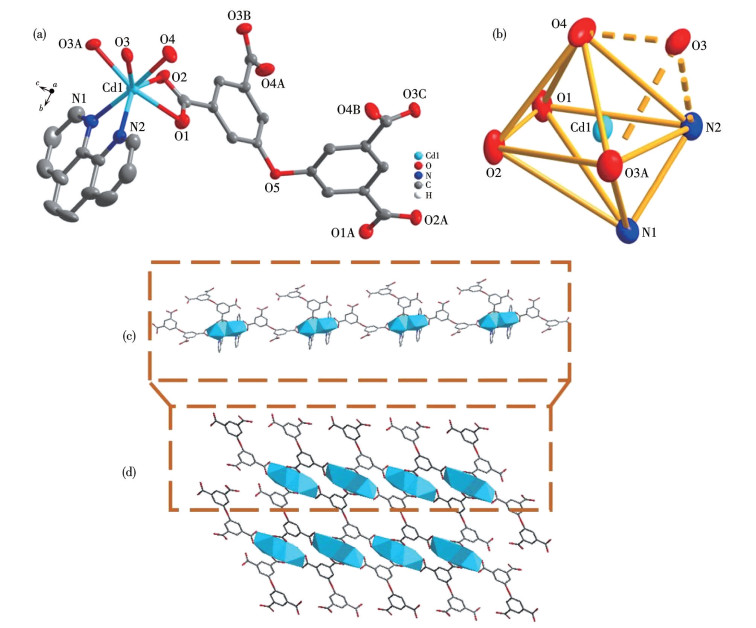
The ellipsoidal probability is 30%; Symmetry codes: A: x, -y, z+1/2; B: -x+2, -y, -z+1; C: x, -y, z-1/2.
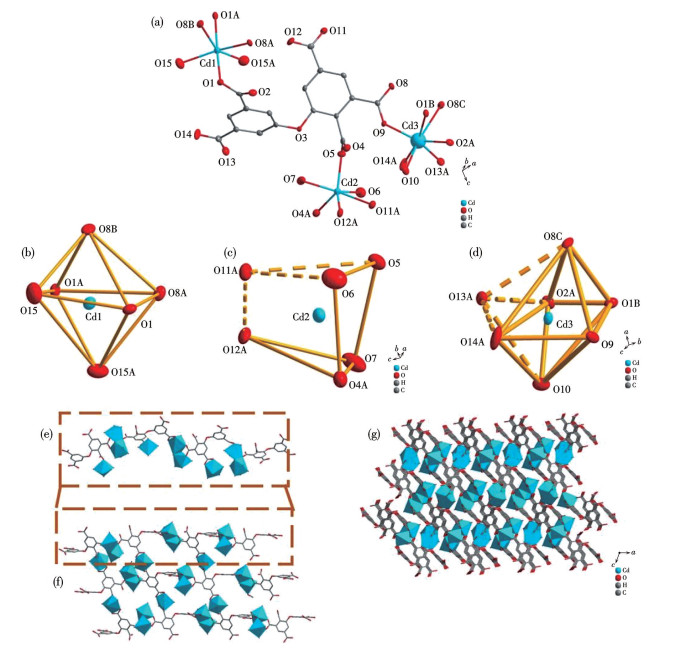
The ellipsoidal probability is 30%; Symmetry codes: A: -x+1, y, -z+1/2, B: x-1/2, -y+3/2, z-1/2, C: -x+3/2, -y+3/2, -z+1, D: -x+3/2, y-1/2, -z+3/2.
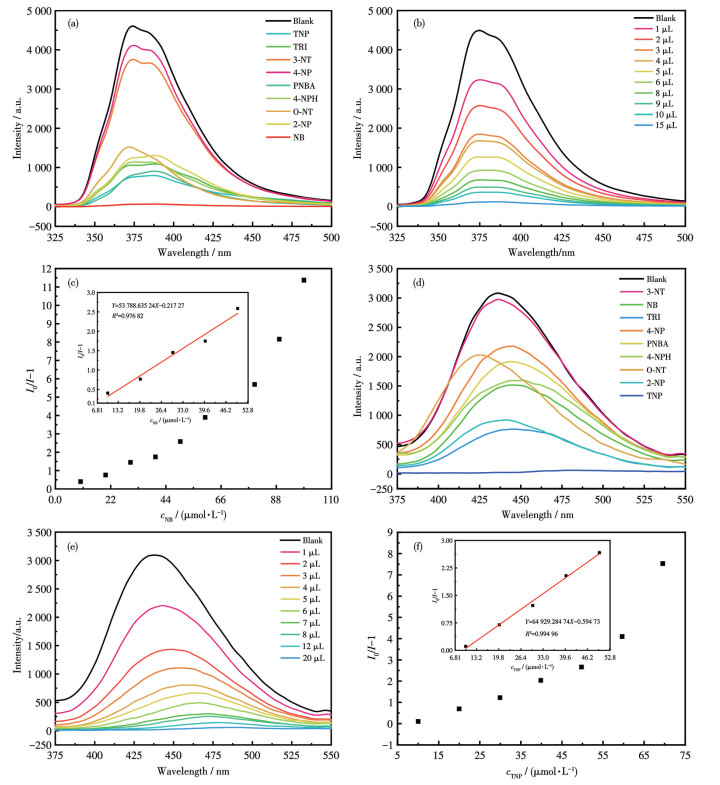
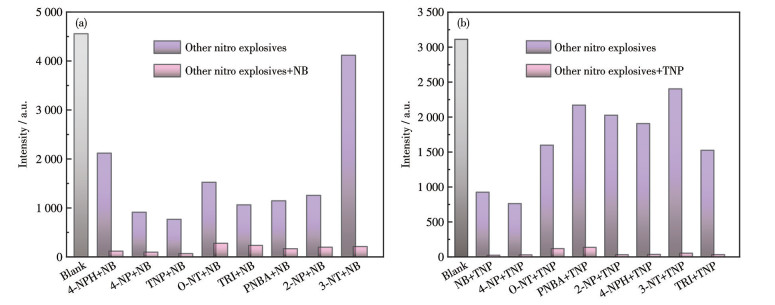
TRI=2,4,6-trinitrophenylhydrazine, 3-NT=3-nitroaniline, 4-NP=4-nitrophenol, PNBA=p-nitrobenzoic acid, 4-NPH=4-nitrophenylhydrazine, O-NT=o-nitroaniline, 2-NP=2-nitrophenol.
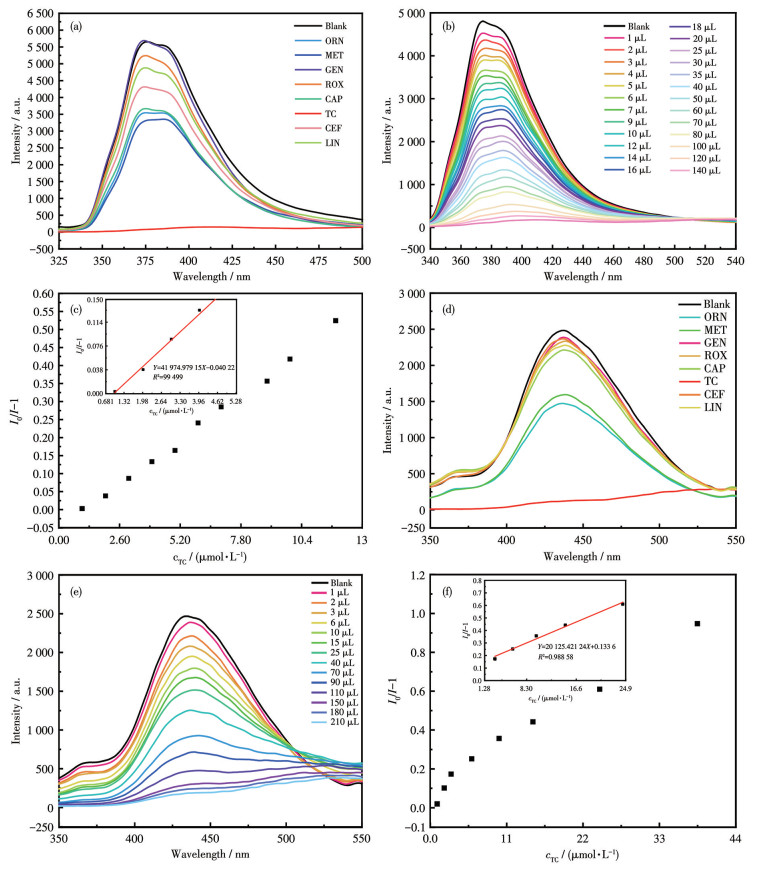
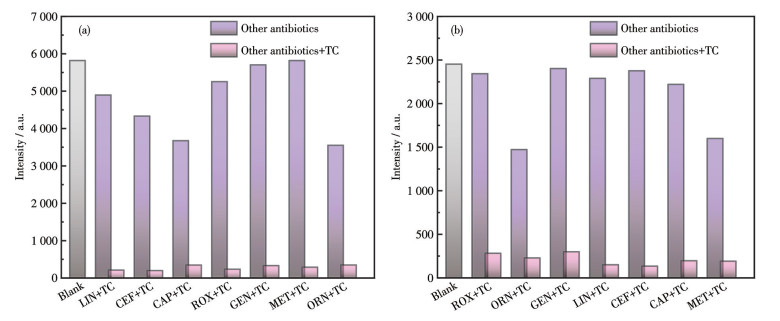
ORN=ornidazole, MET=metronidazole, GEN=gentamicin sulfate, ROX=roxithromycin, CAP=chloramphenicol, CEF=cefixime, LIN=lincomycin hydrochloride.
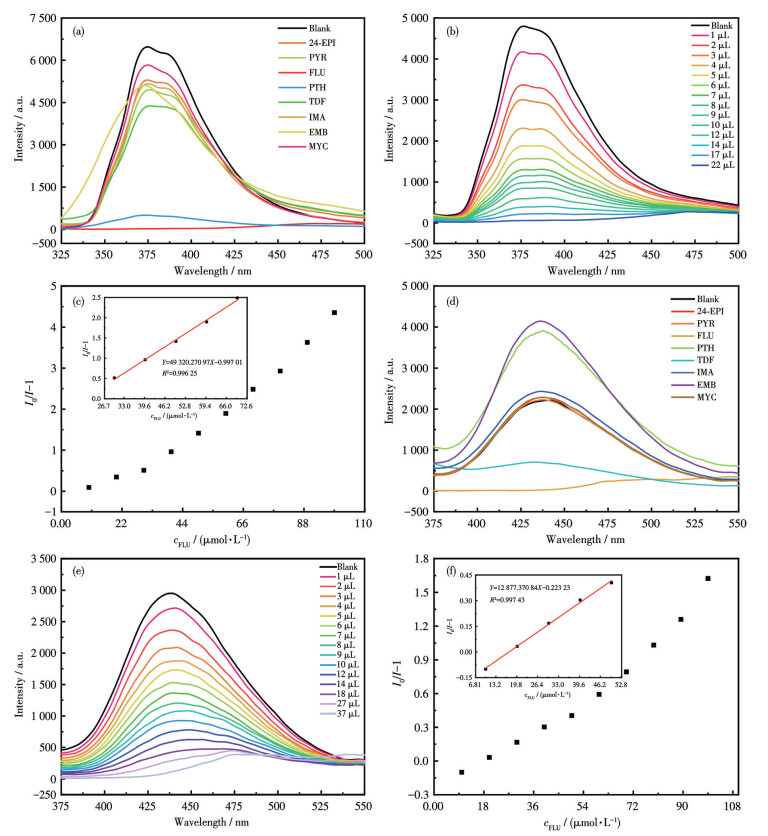
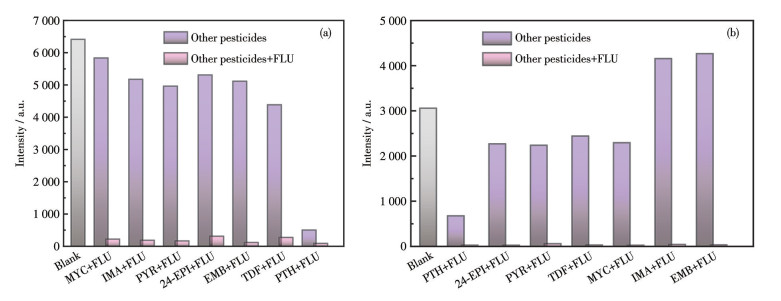
24-EPI=24-epibrassinolide, PYR=pyraclostronbin, PTH=pyrimethanil, TDI=triadimefon, IMA=imazalil, EMB=emamectin benzoate, MYC=zhongshengmycin.
 DownLoad: