Login In
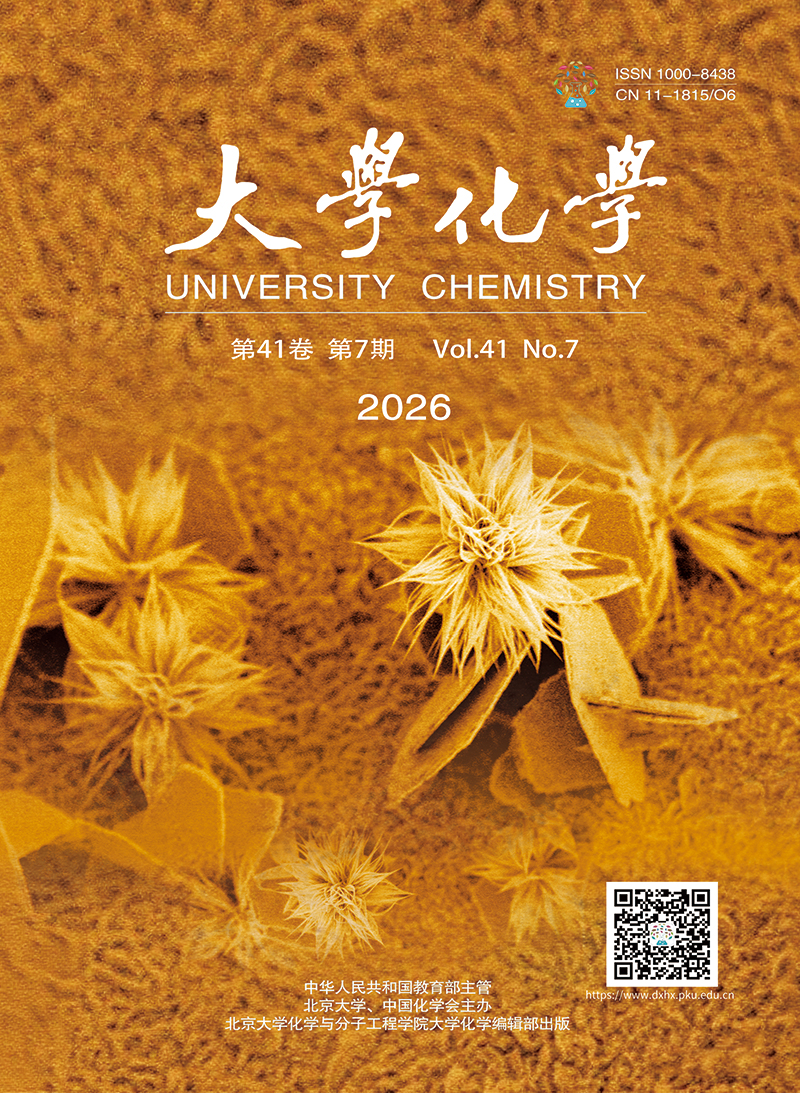
2026 Volume 41 Issue 7
Leveraging online teaching resources, this study implemented task-driven learning pedagogy and process-oriented evaluation in organic chemistry instruction. The “Nongdayun” platform facilitated high-quality task implementation by seamlessly integrating pre-class, in-class, and post-class learning activities while enabling real-time updates of formative assessment data. Using “conjugated systems and conjugation effects” as a representative case, we present the instructional design framework of this task-driven approach. This teaching method fostered a student-centered classroom environment that significantly enhanced learners’ engagement and self-directed learning capabilities. Through task-oriented activities, students achieved deeper conceptual understanding by exploring intrinsic relationships between concepts and underlying scientific principles. The task-driven model not only cultivates students’ scientific reasoning abilities but also develops their capacity for multi-perspective problem analysis and solution-finding based on fundamental scientific laws. Beyond knowledge transmission, this approach emphasizes methodological learning, thereby establishing a valuable paradigm for blended learning innovation in higher education organic chemistry courses.
As a core discipline in chemistry, physical chemistry has long faced the dual challenges of being “difficult to teach for instructors and intimidating to learn for students” due to its abstract theoretical nature and complex mathematical models. Traditional teaching approaches, which emphasize one-way knowledge transmission while neglecting value orientation and motivation cultivation, often trap students in superficial learning cycles of mechanical formula memorization and exam-driven passivity. To address this fundamental issue, this study proposes a curriculum reconstruction framework centered on interest stimulation and value guidance. Through systematic innovations in both content design and teaching methodologies, we establish an upward-spiraling learning ecosystem that integrates interest cultivation, competency development, and value internalization. The implementation employs three key strategies: contextual anchoring through immersive scenarios, cognitive empowerment via problem-chain design, and praxis integration combining knowledge application. This approach achieves deep integration between knowledge delivery and educational objectives. The study provides a replicable framework for addressing the prevalent issues of “decontextualized knowledge” and “disconnected values” in Science, Technology, Engineering and Mathematics (STEM) education, while pioneering new pathways for ideological-political education in emerging engineering talent development.
This study explores and implements blended teaching approaches for the graduate course “surface physical chemistry” by integrating the strengths of online MOOC platforms with traditional offline instruction. We developed an innovative “double helix” blended teaching model that achieves complementary, interconnected, and synergistic effects between online and offline components. The model incorporates a hybrid assessment system combining online and offline evaluations, effectively integrating formative and summative assessment methods. Teaching practice demonstrates that this blended approach not only enhances students’ mastery and consolidation of fundamental theories and key concepts, but also facilitates meaningful expansion and extension of course content. Additionally, it significantly improves students' innovative thinking capabilities and overall academic competencies.
The Innovation Practice Education Center adopts an innovative organizational model that deeply integrates resources from enterprises, universities, and academic departments to establish a “co-construction, sharing, co-management, and mutual-benefit” framework. This systematic approach has successfully built an integrated “engineering training-engineering design-innovation and entrepreneurship” (referred to as “dual engineering and dual innovation”) practice education platform. Through collaborative efforts, we have established: a “dual specialization and single application” engineering training platform, a “curriculum-specialization-application” engineering design platform, and a “four-dimensional integration” innovation and entrepreneurship platform, collectively serving over 1300 students annually. The implementation of a “dual-objective model” practical teaching system has enhanced standardization and normalization of practice-based education, broadening student participation while improving competition performance, employment competitiveness, and professional success rates. Furthermore, we have developed a “1+3+3” operational model that clearly defines responsibilities among enterprises, universities, and departments, facilitating joint talent cultivation, shared process management, resource allocation, responsibility distribution, and complementary advantages. This model significantly improves platform security, accessibility, and effectiveness, enabling local institutions to transform chemical engineering education from traditional, fundamental approaches to developmental, application-oriented innovation.
This paper explores the conceptual framework and practical implementation of the hydrogen energy science and engineering program from the perspective of new engineering education. As a clean energy carrier, hydrogen has assumed increasing strategic importance in the context of carbon peaking and carbon neutrality goals, while the corresponding talent cultivation system remains underdeveloped. Based on the pioneering experience of establishing China’s first hydrogen energy science and engineering program, this study analyzes the crucial role of the “three-dimensional integrated” curriculum system and “dual-track four-dimensional” practical teaching model in facilitating interdisciplinary convergence and industry-academia collaboration. By establishing a comprehensive theoretical and practical teaching framework, the program effectively integrates multidisciplinary knowledge spanning energy power, materials science, and chemical engineering, while incorporating cutting-edge industrial technologies throughout the educational process. The paper also identifies key challenges in program development, including textbook shortages, incomplete talent cultivation systems, insufficient internationalization, and inadequate depth in industry-education integration. The findings are expected to provide valuable references for establishing emerging interdisciplinary programs and offer practical guidance for peer institutions developing hydrogen energy-related curricula.
Abstract: In accordance with the “Guidelines for Ideological and Political Education in Higher Education Institutions” and aligned with the physical chemistry curriculum requirements for chemistry majors, this study examines the derivation and application of the Nernst equation as a representative case. We implement a blended teaching model combining online and offline components through 5E instructional design, integrating ideological-political elements via three dimensions: cultivation of scientific historical perspectives, development of innovative thinking, and incorporation of social responsibility. By exploring the Nernst equation’s scientific history, methodological significance, and contemporary applications in energy technologies, our approach facilitates students’ professional knowledge acquisition while fostering proper values, scientific spirit, and capabilities for independent inquiry and knowledge transfer. Distinct from previous research, this work innovatively merges ideological-political education with the physical chemistry knowledge system, preserving academic rigor while achieving value-oriented educational objectives. The study provides an exemplary and practical reference for implementing ideological-political education in chemistry-related curricula, supporting higher education’s tripartite mission of value cultivation, knowledge dissemination, and competency development.
As a crucial characterization tool in materials science and life sciences, the transmission electron microscope (TEM) requires operators to possess both comprehensive theoretical knowledge and proficient operational skills. Addressing current training limitations such as fragmented knowledge delivery and limited student engagement in practical applications, this study incorporates the problem-based learning (PBL) approach into TEM training. By implementing authentic research scenarios, the PBL model facilitates deeper understanding of TEM principles while simultaneously enhancing operational and analytical competencies as learners solve real scientific problems. Theoretical analysis and case studies demonstrate the effectiveness of PBL in fostering independent inquiry skills, offering innovative perspectives for training on sophisticated analytical instrumentation.
Using instrumental analysis experiments as a case study, this paper establishes a comprehensive teaching reform framework integrating blended online-offline instruction, virtual simulations with hands-on experiments, and artificial intelligence-enhanced project-based learning with designed experimental projects. We investigate an innovative teaching paradigm characterized by full-spectrum, multidimensional integration, including: the synergy between theory and practice, the combination of virtual simulations with real-world scenarios, the fusion of experimental skills with innovative practice, and the dual-driven mechanism linking curriculum-based ideological education with assessment evaluation. Furthermore, this study explores effective approaches to facilitate the integration of digital intelligence technologies into practical courses, thereby advancing the reform and innovation of smart teaching methodologies in higher education laboratory curricula.
The College of Chemistry and Pharmaceutical Sciences at Qingdao Agricultural University, in alignment with its mission of “serving agriculture, rural areas, and farmers through diligent pragmatism, continuous self-improvement, and the cultivation of interdisciplinary applied talents”, has developed an innovative “dual-perspective three-dimensional” experimental teaching model. This initiative addresses the dual challenges of new agricultural science development and the intelligent technology revolution through interdisciplinary integration, information resource optimization, and artificial intelligence (AI) applications. The model employs quantum chemical calculations as an interdisciplinary “catalyst” and leverages AI technology to establish dynamic connections between macroscopic practices and microscopic theories in experimental teaching. This approach constructs a multidimensional knowledge framework that bridges microscopic mechanisms with macroscopic phenomena, while simultaneously enhancing students’ competencies across three dimensions: theoretical understanding, practical skills, and scientific literacy. The innovative teaching paradigm effectively stimulates student engagement, deepens conceptual understanding, and improves learning outcomes, providing a valuable reference for cultivating interdisciplinary applied talents in agricultural institutions. This model effectively meets the demand for applied talent development in agriculture-related fields within the new agricultural science framework.
As a university-wide model course for ideological and political education designed for senior undergraduates, “chemical principles of military high technology” aligns with National University of Defense Technology’s dual positioning as “two academic highlands”. The course addresses the need for cultivating new-type military talents with integrated competencies in politics, military affairs, technology, and culture. Guided by the university motto “Noble Virtue, Extensive Knowledge, Strong Military, and National Rejuvenation”, the curriculum systematically connects with six major chemical-related domains in military high technology. It establishes a “trinity” case repository combining knowledge delivery, capability development, and value cultivation, while implementing a “four-dimensional synergy” pedagogical framework encompassing technical analysis, role model inspiration, ethical deliberation, and historical continuity. The approach features: molecular-level deconstruction of military technological breakthroughs, atomic-level comprehension of scientific ethos, dialectical examination of military technology’s strategic implications, and generational transmission of scientific patriotism—collectively designed to forge high-caliber new-era military professionals.
Guided by the “profoundness-innovation-challenging” educational philosophy, the Department of Macromolecular Science at Fudan University has developed the “Fudan Approach” for cultivating high-quality, interdisciplinary talent through years of teaching practice. The course “Synthesis of Polymers for a Better World” serves as a pivotal component in the undergraduate curriculum, effectively bridging foundational and advanced knowledge while integrating educational resources. Conducted entirely in English, the course employs a combination of diversified assessment methods and flipped classroom pedagogy to systematically introduce fundamental principles of polymer chemistry and materials science, creating a seamless transition between organic chemistry and polymer chemistry courses. The curriculum incorporates essential academic skill training, including literature research, scientific software applications, technical writing, and presentation techniques, preparing students for research careers. Additionally, enterprise visits and engineer lectures broaden students’ industrial perspectives. By innovatively implementing an integrated “science-technology-engineering” pedagogical framework, this course provides novel insights for cultivating polymer science and engineering professionals in China.
In the context of “New Quality Productive Forces”, the development of first-class courses requires closer alignment with technological advancements and industrial transformations, with an emphasis on fostering students’ innovative and practical capabilities. Addressing real challenges in inorganic chemistry instruction, this study establishes a novel “Three Integrations and Four Combinations” teaching reform framework. This approach encompasses an educational philosophy integrating “teaching with education, theory with practice, and science with education”, while implementing an innovative pedagogical model that combines “online and offline learning, learning and reflection, in-class and extracurricular activities, as well as outcomes and processes”. This methodology effectively advances first-class course construction, aiming to cultivate high-caliber professionals capable of meeting the demands of new quality productive forces development.
To meet the needs of increasing informatization and internationalization in higher education, college teachers continue to explore the development of English-language chemistry laboratory textbooks specifically designed for undergraduates. Based on years of experience in teaching chemistry laboratory courses in English and through six semesters of continuous refinement, our teaching team published a new-format bilingual textbook for inorganic and analytical chemistry laboratory in January 2025. This textbook focuses on the learning experience and outcomes of first- and second-year undergraduates, employing an innovative bilingual presentation approach. It enhances the depth of experimental content while paying close attention to laboratory safety and environmental sustainability. This textbook is complemented by extensive high-quality bilingual videos and other digital resources. With its distinctive features, this textbook provides valuable reference for peers developing similar teaching materials in higher education institutions.
This study explores the cultivation of outstanding chemistry talent in agricultural and forestry universities. Addressing the educational objectives of “comprehensive foundational knowledge, enhanced practical skills, and emphasis on innovation” in chemical disciplines at agricultural institutions, we developed an innovative tripartite training model encompassing “moral cultivation, foundation consolidation, and innovation promotion through multidisciplinary integration”. First, grounded in the principle of “virtue cultivation through education”, we implemented an integrated “teacher ideology-course ideology-discipline ideology” framework that synergistically combines patriotic education with innovation capability development, establishing a comprehensive ideological education system that connects coursework, scientific research, practical training, and industry-academia collaboration. Second, we reconstructed a curriculum system characterized by “broad scope, solid foundations, and distinctive features”, with core modules including synthetic chemistry, flame-retardant chemistry, and phytochemistry, effectively bridging cutting-edge academic developments with agricultural and forestry industry demands to create a diversified “foundation + innovation” pedagogical framework. Finally, through a stratified “research oriented-application oriented-internationalized” training approach and a three-dimensional “scientific education-industrial education-competition education” integration pathway, we established a collaborative mechanism driven by research projects, enhanced by industrial practice, and reinforced by academic competitions to strengthen students’ innovative thinking and practical abilities. Implementation results demonstrate that this model effectively addresses key challenges in chemistry education at agricultural and forestry universities, including insufficient ideological guidance, limited industry-academia collaboration, and indistinct disciplinary identity. It significantly enhances students’ professional qualifications and innovation capabilities for serving new agricultural science initiatives, providing a replicable paradigm for developing high-quality productive forces and supporting national strategies for educational advancement.
The Zweifel olefination serves as an effective methodology for constructing C=C double bonds, distinguished by its high efficiency, exceptional stereoselectivity, and transition-metal-free catalytic system. This review comprehensively examines the reaction mechanism, pathway, and recent advancements in this field. Through a systematic discussion of this novel stereoselective alkene synthesis strategy, we intend to enhance undergraduate chemistry students’ understanding of stereochemical principles while expanding their repertoire for obtaining alkenes with defined configurations. This perspective ultimately contributes to the enrichment of their organic synthesis knowledge framework.
From the autonomous navigation of childhood foam boats to modern targeted drug delivery systems, surface tension and Marangoni flow consistently play pivotal roles. Using the self-propelled motion of polyethyleneimine/poly(sodium 4-styrenesulfonate) (PEI/PSSNa) droplet motors as a model system, we designed three experimental modules: single droplet motion observation, Marangoni flow field visualization, and droplet transport demonstration. These experiments elucidate the fundamental mechanisms of surface tension gradients and Marangoni flow. Through an edutainment approach incorporating multi-level science communication strategies, accessible language, interactive experiments, and comprehensive demonstrations, we showcase the remarkable capabilities of surface tension and Marangoni flow. This methodology not only sparks audiences’ enthusiasm for chemical exploration but also enables them to genuinely appreciate the wonders of chemistry, while establishing a conceptual bridge between fundamental science and technological innovation.
Supramolecular chemistry investigates the spontaneous assembly of molecules or ions into functional complex systems through noncovalent interactions. This frontier field challenges conventional paradigms by demonstrating how delicate intermolecular cooperation—mediated by hydrogen bonding, metal coordination, hydrophobic effects, π-π stacking, and electrostatic interactions—serves as molecular recognition codes that guide the self-assembly of intelligent supramolecular systems capable of molecular recognition, catalysis, and stimuli-responsiveness. Employing an anthropomorphic narrative, this work systematically elucidates the structural characteristics and functional mechanisms of three major supramolecular categories: from cyclodextrin encapsulation and DNA origami construction to metal-organic frameworks (MOFs)-based selective adsorption, showcasing the synergistic potential of noncovalent interactions. Through designed classroom experiments involving hydrotalcite-luminescent molecule systems, we visually demonstrate supramolecular self-assembly processes and emission enhancement effects. Practical applications in environmental remediation, industrial catalysis, and biomedicine further illustrate how molecular-level cooperation translates into macroscopic functionality, providing readers with profound insights into supramolecular chemistry’s scientific essence and innovative methodologies.
This article employs the popular expression “engraved in DNA” as an engaging introduction to elucidate the developmental trajectory and potential applications of DNA data storage technology. The discussion begins with the pioneering phase, detailing the encoding, synthesis, storage, and retrieval processes along with the technical limitations of early implementations. Subsequently, it highlights the innovative “Bi Sheng-1” movable-type storage inkjet printer system and the catalytic role of enzymatic synthesis in achieving automated, high-speed data writing. The paper concludes by examining practical applications in archival preservation and space exploration, while addressing accompanying ethical considerations, thereby stimulating reader interest in this frontier of chemical science.
Cancer remains a prevalent and challenging disease in modern society. With recent advancements in bionanotechnology, researchers have developed intelligent micro/nanomaterials known as liquid-metal-based robots. This emerging interdisciplinary technology combines biotechnology, materials science, nanoengineering, and mechanical systems. These miniature robots can undergo controlled morphological transformations under external fields, enabling targeted cancer therapy, though the technology remains relatively unknown. Drawing inspiration from the literary classic “Journey to the West”, this study employs anthropomorphic narrative techniques to elucidate the fabrication methods, deformation characteristics, and therapeutic processes of liquid-metal robots in vivo. This article aims to enhance public understanding of the scientific principles underlying these transformative biomedical agents, thereby facilitating their practical clinical applications.
In the martial world, the notorious “Drug Sect” spreads chaos through their nefarious arts of addiction, hallucination, and narcosis, dragging countless victims into the abyss of substance dependence. To eradicate this threat and restore righteousness, an Anti-drug Crusader Squad has risen to wage war against the Drug Sect. Leveraging chemical and biological expertise, the crusaders have deciphered addiction mechanisms to develop long-acting opioid therapies against heroin and other opioids. Employing enzyme transition-state theory, they engineered catalytic antibodies for cocaine hydrolysis. Furthermore, they developed a cocaine vaccine by harnessing the immune system. While achieving significant victories against the Drug Sect, the crusaders remain vigilant as new synthetic drugs continue to emerge.
In ancient Chinese poetry, many seemingly romantic literary descriptions actually conceal profound scientific observations. For instance, Li Shen’s poetry which begins with “At noon, the hoeing under the sun”, appears to be a simple depiction of farming scenes, but it prompts us to ponder: Is this merely a summary of farming experience or a misjudgment that defies scientific laws? Another example is the lotus in Zhou Dunyi’s “Ode to the Lotus” that “remains unstained by the mire”, which raises the question: How can it stay clean in a murky environment? Behind these questions lies the vivid manifestation of physical and chemical principles in natural phenomena. This article will reinterpret classic poetry from a scientific perspective, revealing the deep resonance between ancient wisdom and natural laws, and delving into the intrinsic connection between traditional culture and scientific principles, providing new insights for understanding classical literature and scientific knowledge.
This study documents Xiaoyue and her advisor Professor Chen’s fieldwork at Shandan Military Horse Farm, investigating equine stress responses, the flehmen response as a communication mechanism, and scientific approaches to sport horse management including feeding regimens, physical conditioning, and anatomical adaptations. The research elucidates the physiological basis of the “blood sweating” phenomenon in Akhal-Teke horses, while examining the synergistic effects of nutritional science, specialized musculoskeletal structures, and endocrine regulation on equine athletic performance.
The National Demonstration Center for Experimental Chemistry Education at Sun Yat-Sen University has actively implemented national science popularization strategies by leveraging its substantial academic resources and research advantages to continuously enhance science outreach initiatives. Through systematic exploration in content innovation, methodology optimization, integration of science and education, incorporation of ideological-political elements, and long-term development planning, the center has established a rigorous operational framework. This has resulted in the gradual formation of a standardized, sustainable science popularization system that significantly elevates outreach quality and expands societal impact. Furthermore, the center has conducted in-depth analysis of pathways and developmental directions for university-based chemistry science popularization, proposing the concept of building a “multi-stakeholder collaborative, comprehensive coverage” ecosystem for science communication, thereby effectively promoting high-quality development of science popularization practices.
As an element first identified in the 18th century, tellurium takes center stage in this popular science article. Employing a personification narrative style, the article concisely presents tellurium’s fundamental properties, historical background, diverse applications, and developmental trajectory, with particular emphasis on its pivotal role in future energy technologies. This approach aims to provide readers with enhanced comprehension of this significant element.
Ferrofluids, alternatively termed magnetic fluids or ferromagnetic colloidal suspensions, consist of three essential components: magnetic nanoparticles, surfactants, and a carrier liquid. These magnetic nanoparticles are uniformly dispersed within the base fluid, granting ferrofluids an appearance indistinguishable from conventional liquids. However, when subjected to external magnetic fields, ferrofluids exhibit remarkable behavioral transformations that have captivated scientific curiosity and prompted extensive investigation. Employing an anthropomorphic narrative approach from a microscopic perspective, this article elucidates the principles underlying the colloidal stability of ferrofluids and their magnetically responsive behavior. Furthermore, it highlights representative applications of ferrofluids in daily life. Through engaging exposition, this work aims to provide readers with fundamental understanding of ferrofluids while fostering broader interest in the physicochemical properties of magnetic nanomaterials.
Abstract: This study examines the current safety status and documented accident cases involving “fire-related” popular science experiments. By analyzing these findings, we propose targeted improvements in experimental design and enhanced safety training protocols. These measures aim to elevate the safety standards of fire-based demonstration experiments while ensuring the secure and standardized execution of science popularization activities and educational instruction.
In recent years, the growing prevalence of long-wearing cosmetic products-particularly waterproof formulations-has necessitated more advanced makeup removal solutions. This article employs chemical principles and allegorical narrative to comparatively analyze the mechanisms and characteristics of three primary cleanser types: oil-based, water-based, and emulsion-based makeup removers. We aim to demystify skincare cleansing methods and help people to better understand the mechanism of makeup removal.
In humanity’s protracted battle against cancer, ferrimagnetic vortex iron oxide nanorings have recently emerged as a new generation of “precision troops” in anticancer strategies. These nanostructures combine exceptional magnetothermal properties with tunable surface functionalization, working synergistically with ferroptosis mechanisms and immunotherapy to enable multidimensional anticancer approaches. Using the metaphor of a thermal warfare campaign, this article elucidates how these diminutive yet potent nanorings demonstrate ultrahigh specific absorption rates under alternating magnetic fields while achieving precise tumor targeting through sophisticated surface design. Their capacity for rapid thermal energy release enables effective tumor destruction. Through this narrative of combined thermal and immunological warfare, we aim to introduce readers to magnetic nanomaterials in tumor hyperthermia applications and stimulate interest in innovative anticancer approaches.
This article employs an innovative metaphor to characterize Inductively Coupled Plasma Mass Spectrometry (ICP-MS) as an investigative team operating at the microscopic level. Framed within the conceptual context of the “microscopic world” documentary format, the discussion adopts an anthropomorphic approach to elucidate the fundamental principles, instrumental architecture, and extensive applications of ICP-MS technology. The exposition systematically demonstrates how this analytical “detective unit” performs meticulous elemental and isotopic analyses, providing researchers across multiple disciplines with precise and efficient analytical solutions.
This study innovatively adopts a personification narrative approach, presenting a first-person perspective to introduce readers to the fascinating realm of single-atom catalysts (SACs). We reveal the selective control mechanism of active sites that operates with “acupuncture-like precision”, demonstrate the structural stability resembling “diamond-like indestructibility”, and explore the multifunctional catalytic properties comparable to a “shape-shifting virtuoso”. Through these vivid analogies, the article provides an accessible yet scientifically rigorous explanation of SACs’ transformative applications in energy conversion, environmental remediation, and biomedical fields.
Guided by the strategic initiative to advance “New Medical Science” education and cultivate high-quality interdisciplinary talents, this study developed an integrated teaching experiment that bridges cutting-edge drug delivery research with practical nanomedicine applications. The experiment synergistically combines theoretical knowledge of supramolecular chemistry with hands-on practice, employing chlorin e6 and temozolomide as model drugs to prepare a nano-drug delivery system through ultrasound-assisted supramolecular assembly. We systematically examined how varying drug ratios affect the system’s performance. Successful supramolecular assembly was verified by aggregation-induced fluorescence quenching, while dynamic light scattering (DLS) characterized the system’s hydrodynamic size and zeta potential. Drug encapsulation efficiency was quantified using ultraviolet spectrophotometry. This innovative approach overcomes limitations of conventional nano-drug delivery systems, such as low drug-loading capacity and excipient-related safety concerns, by producing pure drug nanoparticles through excipient-free supramolecular assembly. With its straightforward protocol, well-defined scientific principles, and excellent scalability, this experiment effectively equips students with core competencies in nanodrug delivery system development while enhancing their conceptual understanding. It serves as an exemplary model for training interdisciplinary “New Medical Science” professionals who thoroughly comprehend fundamental principles, demonstrate innovation capabilities, and value practical application.
This study presents an innovative comprehensive experiment utilizing microreactor technology to investigate the esterification reaction between acetic acid and ethanol. Conducted in student groups, the experiment systematically examines the influence of various reaction parameters—including temperature, reactant molar ratio, residence time, and catalyst concentration—on conversion efficiency. Participants acquire skills in employing proton nuclear magnetic resonance (1H NMR) spectroscopy to monitor reaction progression and quantify conversion rates. The experimental design not only familiarizes students with advanced microreactor technology but also develops their proficiency in quantitative 1H NMR analysis, while simultaneously enhancing their analytical thinking capabilities.
The Diels-Alder (D-A) reaction serves as a paradigmatic example of concerted pericyclic reactions, yet its mechanistic abstraction often poses challenges for student comprehension. This study presents an instructional experiment employing computational chemistry methodologies with Gaussian software, enabling students to investigate the concerted mechanism of D-A reactions through transition state structures and energetic analyses. By integrating theoretical computations with visualization techniques, this experimental design overcomes the constraints of conventional teaching approaches, significantly enhancing students’ dynamic understanding of reaction mechanisms and fostering their scientific research competencies.
This study focuses on the molecular framework of pyrrolo[1,2-a]quinoxaline, known for its antitumor activity. Utilizing nitric acid and hydrochloric acid as chlorine gas precursors, we achieved a one-step synthesis of pyrrolo[1,2-a]quinoxaline antitumor agents through visible-light-catalyzed ring-opening and ring-closing reactions of arylcyclopropanes. By integrating fundamental organic chemistry principles with cutting-edge research topics, this experiment effectively enhances students’ comprehensive skills and innovative capabilities, making it particularly suitable as an advanced “comprehensive chemistry experiment” course for chemistry majors.
This study aims to enhance students’ comprehensive abilities through innovative teaching design for confirmatory physical chemistry experiments. We established an inquiry-based teaching model following the sequence of “theoretical foundation → experimental verification → theoretical feedback”, while integrating research training throughout all experimental phases. Using the “determination of liquid-phase reaction equilibrium constant” experiment as an example, we implemented several methodological improvements: employing HNO3 solution instead of water as the solvent for preparing initial Fe(NO3)3 and KSCN solutions, and adopting the “half-amount method” for preparing Fe(NO3)3 reaction solutions. The experimental design systematically investigated the effects of ionic strength, reactant concentration, [H+] concentration, and temperature on equilibrium constants, thereby expanding both the depth and breadth of the experimental content. This enhanced approach significantly increased the experiment’s challenge level and comprehensiveness. Within limited classroom hours, it effectively fostered students’ scientific thinking and innovation capabilities while strengthening their communication and teamwork skills, thereby laying a solid foundation for their overall quality improvement and comprehensive development.
Addressing the demands of New Medical Education for cultivating innovative pharmaceutical talents, this study tackles the shortcomings of conventional organic chemistry experiments in pharmacy programs—where verification-based exercises dominate, leading to passive student participation without comprehensive understanding of experimental design, reaction mechanisms, or drug development logic. We established a three-stage progressive project-based teaching system comprising “theoretical foundation - innovative design - comprehensive practice”, using the innovative synthesis of coumarin-chalcone derivatives as a model drug scaffold. This framework synergizes theoretical instruction with experimental investigation, promotes creative synthesis strategy development, and implements interdisciplinary structural characterization training. The approach systematically nurtures students’ scientific thinking from molecular design to structural elucidation while strengthening core pharmaceutical competencies, offering an implementable model for experimental pedagogy reform in pharmaceutical education under the New Medical Education framework.
To improve the research literacy and practical skills of undergraduates in chemical engineering, chemistry, materials science, and related disciplines, we designed a comprehensive experiment involving the preparation of perovskite quantum dots through room-temperature ligand-assisted reprecipitation. This experiment encompasses the synthesis principles, preparation procedures, optical characterization, and fabrication of photoluminescent white light emitting diodes using both red-emitting CsPbBrxI3-x and green-emitting CsPbBr3 perovskite quantum dots. Through this experiment, students will gain fundamental knowledge about this cutting-edge research field while reinforcing their understanding of inorganic chemistry and instrumental analysis. The experiment enhances students’ comprehension of solubility principles and spectral analysis techniques, develops essential laboratory skills, stimulates scientific curiosity, and cultivates problem-solving abilities,so as to lay a solid foundation for future scientific research.
This study presents a wastewater treatment approach utilizing heterogeneous photocatalysis-Fenton coupling technology. The experimental design employs photo-Fenton degradation of Rhodamine B as a teaching module for undergraduates. The sulfur-modified FeOCl (FeS/FeOCl) heterojunction catalyst is synthesized through an in-situ ion exchange reaction. Subsequent characterization focused on the catalyst’s structure, morphology and optical property, followed by evaluation of its photo-Fenton degradation efficiency for Rhodamine B. This experiment demonstrates straightforward operation with obvious phenomena. It is helpful to improve the experimental operation skills of undergraduates, cultivate their scientific research ability and enhance their environmental protection awareness.
Electrocatalysis has emerged as a promising green and low-carbon technology that plays a pivotal role in renewable energy utilization and storage. To enhance chemical engineering undergraduates’ understanding and mastery of this advanced technology, we designed an integrated experiment involving the preparation of electrocatalytic materials using deep eutectic solvents (DESs) and their application in electrocatalytic nitrate reduction for ammonia synthesis. This comprehensive experiment cultivates students’ ability to apply and expand theoretical knowledge while fostering innovative thinking. Furthermore, it helps establish the concept of green chemistry in chemical engineering education.
Continuous flow reactions have gained widespread application in synthetic chemistry in recent years owing to their operational safety, high efficiency, and environmental friendliness. This experiment presents a continuous flow system employing polystyrene-immobilized 1,4-diazabicyclo[2.2.2]octane (DABCO) as a recyclable catalyst for the Knoevenagel condensation between 4-chlorobenzaldehyde and malononitrile, enabling the green and efficient synthesis of 2-(4-chlorobenzylidene)malononitrile. By integrating fundamental organic reactions from textbooks with contemporary research methodologies, this experiment not only reinforces students’ theoretical knowledge but also introduces innovative continuous flow technology to stimulate learning interest. The approach encourages students to optimize traditional organic synthesis processes, fostering the development of critical thinking and innovation skills in future chemists.
Phenol and its derivatives are important intermediates in organic synthesis. This experiment combines the iodine anion catalyzed dehydroaromatization and the synthesis of m-cresol, aiming to develop it as a potential undergraduate organic chemistry experiment. This experiment used inexpensive and readily available 3-methyl-2-cyclohexen-1-one as the starting material, tetra-n-butylammonium iodide (n-Bu4NI) as catalyst, and 1,2-dichloroethane as solvent to achieve the green synthesis of m-cresol. Subsequently, the product was purified via back extraction, followed by structure characterization and purity analysis. In short, the experiment is reasonable, reliable and straightforward, which includes the basic techniques such as inert gas protection, reflux, extraction, back extraction, filtration and distillation, as well as the organic compound characterization, making it highly suitable for undergraduate comprehensive experiments.
Integrating scientific research with education and building upon years of practical teaching experience, we designed a comprehensive experiment involving three-dimensional graphene hydrogels and aerogels. Using graphene oxide and sodium ascorbate as reactants, we synthesized three-dimensional network-structured graphene hydrogels through a one-step hydrothermal self-assembly method, subsequently obtaining graphene aerogels via vacuum freeze-drying. The materials’ structure and composition were characterized using transmission electron microscopy, scanning electron microscopy, infrared spectroscopy, and UV-Visible spectrophotometry. We systematically investigated the reduction mechanism of graphene oxide by sodium ascorbate and the hydrogel formation process, while examining how reaction vessels affect hydrogel morphology and macroscopic structure. The study also evaluated the influence of reactant concentration on the load-bearing capacity of both graphene hydrogels and aerogels. This experiment effectively bridges current research frontiers with teaching practice, encompassing material synthesis, structural characterization, and performance evaluation. With clear principles, progressively challenging content, and strong comprehensiveness, it effectively enhances students’ experimental skills, fosters scientific literacy, and develops their problem-solving capabilities through in-depth thinking.
In analytical chemistry laboratory instruction, the conventional formaldehyde method for determining nitrogen content in ammonium sulfate presents two significant drawbacks: formaldehyde’s toxicity poses safety concerns for student experiments, and visual endpoint determination using phenolphthalein indicator introduces observational errors. This study implements an innovative digital approach to address these limitations. The experimental setup incorporates a robotic arm-controlled burette system integrated with pH sensors for intelligent endpoint detection, with all procedures conducted within a fume hood. Results demonstrate the digital method’s superior precision, showing a relative standard deviation of 0.42% for nitrogen content determination and a confidence interval of 20.13% to 20.33% for the overall mean. Statistical analysis reveals significantly better precision compared to manual titration (p<0.05). This digital design demonstrates broad applicability for titration experiments and offers valuable implementation potential for chemistry education.
Nitrate (NO3-) pollution in water has become a significant environmental issue, while ammonia, as an important chemical raw material and a potential energy carrier, holds high value. The electrochemical nitrate reduction reaction (eNO3RR) offers a green and controllable new approach for the resource utilization of nitrate. This paper presents a teaching experiment on electrochemical nitrate reduction based on a CuxO catalyst. By directionally converting nitrate from wastewater into ammonia, the experiment aims to achieve both wastewater treatment and the production of a high-value product, effectively “killing two birds with one stone”. During the experiment, students can intuitively observe the color changes from copper foam to copper hydroxide and then to copper oxide during the catalyst preparation stage, the gas evolution phenomenon at the electrode during electrolysis, and the color reaction during ammonia detection. This deepens their understanding of the fundamental principles of electrocatalysis and the mechanism of electrochemical cathode reactions. With its simple operation and intuitive phenomena, this experiment holds significant value for teaching demonstration. This experiment can serve as a comprehensive experiment in materials chemistry titled “electrochemical method for directional conversion of nitrate in wastewater into high-value-added ammonia” for fourth-year undergraduate students, effectively enhancing their comprehensive knowledge application ability and scientific literacy.
Named reactions hold pivotal importance in organic chemistry education, with each reaction embodying the significant contributions of distinguished organic chemists and their research teams. Tracing the historical development of these named reactions and exploring the stories behind the scientists constitutes an essential component of ideological and political education in the curriculum. Among the multitude of chemical named reactions, those bearing Chinese scientists’ names remain exceptionally rare. This article examines the pedagogical value of named reactions in organic chemistry instruction, focusing on two representative examples: the Roskamp-Feng reaction and the Ullmann-Ma reaction. The discussion provides valuable insights for educators seeking to enhance the teaching of organic chemistry courses.
Osmotic pressure plays a pivotal role across diverse domains including nature, daily life, industrial production, and scientific technology, exerting profound influences on biological processes and societal progress. This article elucidates the microscopic mechanisms underlying osmotic pressure, encompassing the differential movement of solvent molecules across semipermeable membranes, chemical potential gradients, and solvent permeation driven by colligative properties. The work provides detailed descriptions of the discovery and measurement methods for both osmotic pressure and reverse osmosis, while highlighting their applications in wastewater treatment, seawater desalination, gas separation, agricultural irrigation, and salinity gradient power generation.
To address the pedagogical challenge of calculating the number-average degree of polymerization $\left(\overline{X_n}\right)$ in polycondensation reactions, this study systematically derives and analyzes the formulas involved in two distinct calculation approaches for different polycondensation systems. The functional group molar ratio ($r$) method proves exclusively applicable to linear polycondensation. For $\mathrm{aAa}+\mathrm{bBb}+\mathrm{Cb}$ and $\mathrm{aRb}+\mathrm{Cb}$ systems, the monofunctional Cb must first be converted to an equivalent bifunctional monomer with matching endcapping effects before determining $r$. When b groups are in excess, Cb's end-capping effect corresponds to bBb; conversely, with excess a groups, it mirrors aRb. The average functionality ($\bar{f}$) method demonstrates broader applicability, suitable for both linear and crosslinked polycondensation systems, with $\bar{f}$ being directly calculable from its definition. The integration of rigorous formula derivations with practical application examples has yielded significant improvements in teaching outcomes.
This study addresses the critical challenge of bridging university physical chemistry curricula with national defense technological requirements. Leveraging Nanjing University of Science and Technology’s “Double First-Class” discipline in armament science and technology, we implemented comprehensive teaching reforms through systematic curriculum analysis. Our investigation revealed substantial deficiencies in the existing curriculum regarding energetic materials knowledge, which significantly impeded students’ comprehension of defense-critical substances such as propellants and explosives. Adopting the Outcome-Based Education (OBE) framework, we developed a tripartite integration model that systematically connects defense requirements with knowledge restructuring and competency development. The implementation strategy comprised integration of defense industry case studies into core topics including thermodynamic functions and reaction kinetics, development of a specialized energetic materials module featuring practical applications such as bond enthalpy theory for calculating formation enthalpies of high-energy compounds and chemical potential criteria for stability analysis, and establishment of a multidimensional evaluation system assessing both knowledge transfer and professional identity in defense contexts. Post-reform assessments demonstrated significant improvements in experimental class learning outcomes, markedly increased student engagement in national defense technology projects, and revealed a strong positive correlation between case study integration and professional identity formation. This research establishes an effective paradigm for integrating discipline-specific characteristics with fundamental courses, offering transferable insights for defense-oriented curriculum reforms and providing practical guidance for implementing national policies on enhancing defense education in the new era.
The visualization of physical chemistry formulas significantly enhances students’ comprehension and mastery of relevant concepts, while the application of appropriate data processing software simplifies the visualization process. This study employs nitrogen gas as an example, utilizing the Van der Waals equation and Joule-Thomson coefficient formula to construct three-dimensional representations of pV-(p,T), T-(p,T0), and μJ-T-(p,T) relationships. These visualizations facilitate more intuitive instruction regarding the throttling expansion effects in real gases. Furthermore, through the μJ-T-(p,T) and V-(p,T) plots, we demonstrate both the gas liquefaction process and engineering methods for calculating ΔH, ΔS, and ΔG of Van der Waals gases under isothermal conditions.
In university-level organic chemistry instruction, particularly at mid-tier institutions, students frequently demonstrate deficiencies in designing synthetic routes for organic molecules. Drawing upon classical retrosynthetic analysis methodology and extensive teaching experience, this study presents four pedagogical strategies: identification of characteristic structural features in target molecules, analysis of structural disparities between target molecules and starting materials, mastery of key reaction product characteristics, and cultivation of divergent thinking approaches. These strategies aim to enhance students’ synthetic route design capabilities and knowledge integration skills while stimulating learning engagement, thereby optimizing instructional outcomes in organic chemistry education.
Although nitrogen (amine), phosphorus (phosphine), and sulfur (sulfoxide) centered chiral compounds all adopt sp3-hybridized configurations, they demonstrate markedly different energy barriers and rates for configurational inversion, resulting in varying degrees of difficulty in chiral isomer separation. Using these three compound classes as representative examples, this study systematically examines the key factors governing inversion barriers. The analysis reveals that the fundamental distinction originates from the inherent properties of the central atoms, thereby illustrating the foundational principle of organoelement chemistry that “elemental characteristics determine structural and reactivity features”. This work aims to help students develop an electron structure-based approach for understanding structure-reactivity relationships.
The rapid advancement of artificial intelligence technology has positioned it as a pivotal driver in transforming chemical education. This study presents an infrared spectroscopy intelligent recognition and teaching assistance system developed for n-butyl halide synthesis experiments, based on Nankai University’s AI innovation platform (NK-GeniOS). The system employs monotonicity anti-aliasing optimization to achieve rapid and accurate identification of infrared absorption peaks from spectral images for both products and impurities. Through a multi-agent collaborative framework comprising analysis Agent and evaluation Agent, the system provides precise experimental data interpretation and personalized feedback, addressing the limitations of traditional teaching methods that heavily rely on instructor experience and lack real-time guidance. Implemented via project-based learning groups following a “research-presentation-discussion” model, this approach enables tiered learning outcomes for students at different levels. The system significantly enhanced student engagement, with 79% of participants expressing willingness to participate in similar research projects, while flipped classroom participation rates increased dramatically from 20% to 71%.
Nucleophilic substitution (SN2) reactions constitute a core component of fundamental organic chemistry education. However, conventional teaching approaches often inadequately address allylic SN2' reactions, resulting in students’ prevalent misconception that the SN2 pathway represents the exclusive reaction mechanism. This study employs the CH3S-/CH3O- + CH2=CHCH2Br system as a pedagogical model, utilizing M06-2X methodology with SMD solvation models to quantitatively examine the competition between SN2 and SN2' pathways. Computational results reveal that the SN2 pathway maintains significantly lower activation barriers than SN2' in both gas phase and aqueous solution, with aqueous solvation substantially increasing the energy barriers for both pathways while preserving their relative selectivity. Further analysis demonstrates that the elevated barriers in solution arise from increased geometric distortion during the reaction process. Notably, aqueous conditions enhance the nucleophilicity of CH3S- relative to CH3O-, which correlates with sulfur’s smaller solvation-induced geometric distortion. Through visualization of transition state evolution and potential energy profiles, this approach facilitates students’ mechanistic understanding of competitive reaction pathways. The study establishes an effective “quantitative calculation-structural analysis-discussion” pedagogical framework, providing a successful case study for integrating computational chemistry into undergraduate chemistry education.
The concept of entropy, with its extensive applications and profound implications in modern science, originated from the second law of thermodynamics and has subsequently permeated diverse disciplines including information theory, cosmology, and quantum mechanics. A thorough investigation of entropy not only enhances our understanding of fundamental natural laws but also significantly facilitates interdisciplinary integration and advancement. Focusing on this pivotal concept, this paper systematically examines entropy’s critical role in cosmic evolution and the emergence and development of life. We analyze the intrinsic relationship between life and entropy, reevaluate the fundamental mechanisms underlying life’s origins, and reconsider the significance of humanity and Earth within the cosmic context. This work aims to provide novel insights and perspectives for teaching and research in relevant fields.
Pinacolyl alcohol and pinacol are structurally distinct compounds, yet their Chinese translations exhibit remarkable similarity, leading to persistent confusion among students and researchers across both military and civilian academic institutions. This study systematically examines the nuanced differences in Chinese nomenclature between pinacolyl alcohol, pinacol, and their respective derivatives. The analysis explicitly delineates how the term “pinacol” and prefix “pinacol-” represent two distinct carbon skeletons in different naming contexts, thereby resolving existing ambiguities and facilitating more precise academic communication in chemical terminology.
This paper presents a self-designed AI-powered titration system that automates conventional titration processes through image recognition technology. Using the titration of calcium ions (Ca2+) with ethylenediaminetetraacetic acid disodium salt (EDTA) as a case study under pH conditions of pH = 12-13, the system employs a high-definition camera to capture solution color changes. Integrated with deep learning algorithms, it enables real-time monitoring of titration progress and endpoint determination. Compared to traditional manual titration, the AI-enhanced system not only enhances precision and efficiency but also utilizes a photonic sensor for precise drop counting and real-time titration rate adjustment. Experimental results demonstrate that the optimized AI system achieves high accuracy in both titration volume and concentration determination, significantly minimizing human error while exhibiting robust automation capabilities. This system offers effective technological support for advancing the intelligence and automation of chemical experiments, with promising potential for widespread application in educational and industrial settings.
This paper conducts an in-depth analysis of the organic chemistry question (Question 9) from the 38th China Chemistry Olympiad (Preliminary), which primarily examines aromatic electrophilic substitution reactions. Focusing on the application of electronic effects, directing effects, and mechanisms of electrophilic substitution reactions in problem-solving, the study aims to provide valuable references for chemical competition training and enhance comprehensive understanding of aromatic electrophilic substitution reaction mechanisms.
Curriculum articulation refers to an educational mechanism that ensures continuity by establishing interconnectedness and mutual reinforcement in curriculum design, teaching methodologies, and assessment approaches, while maintaining the independence of subject curricula across different educational stages and academic years. This review examines recent research progress regarding the articulation between high school chemistry and university-level chemistry curricula, including theoretical and experimental courses in inorganic chemistry, organic chemistry, and related disciplines. The paper analyzes current challenges and misconceptions in curriculum articulation and proposes recommendations concerning curriculum content, implementation strategies, and evaluation methods. These suggestions aim to provide valuable references for educators to improve the transition between secondary and tertiary chemistry education, ultimately fostering the development of highly competent professionals with solid chemical foundations and innovative capabilities.